Selected work · 2020–2026
Timah Kabba

My path
Fifteen years across agencies, startups, consultancies, and in-house.

How I lead
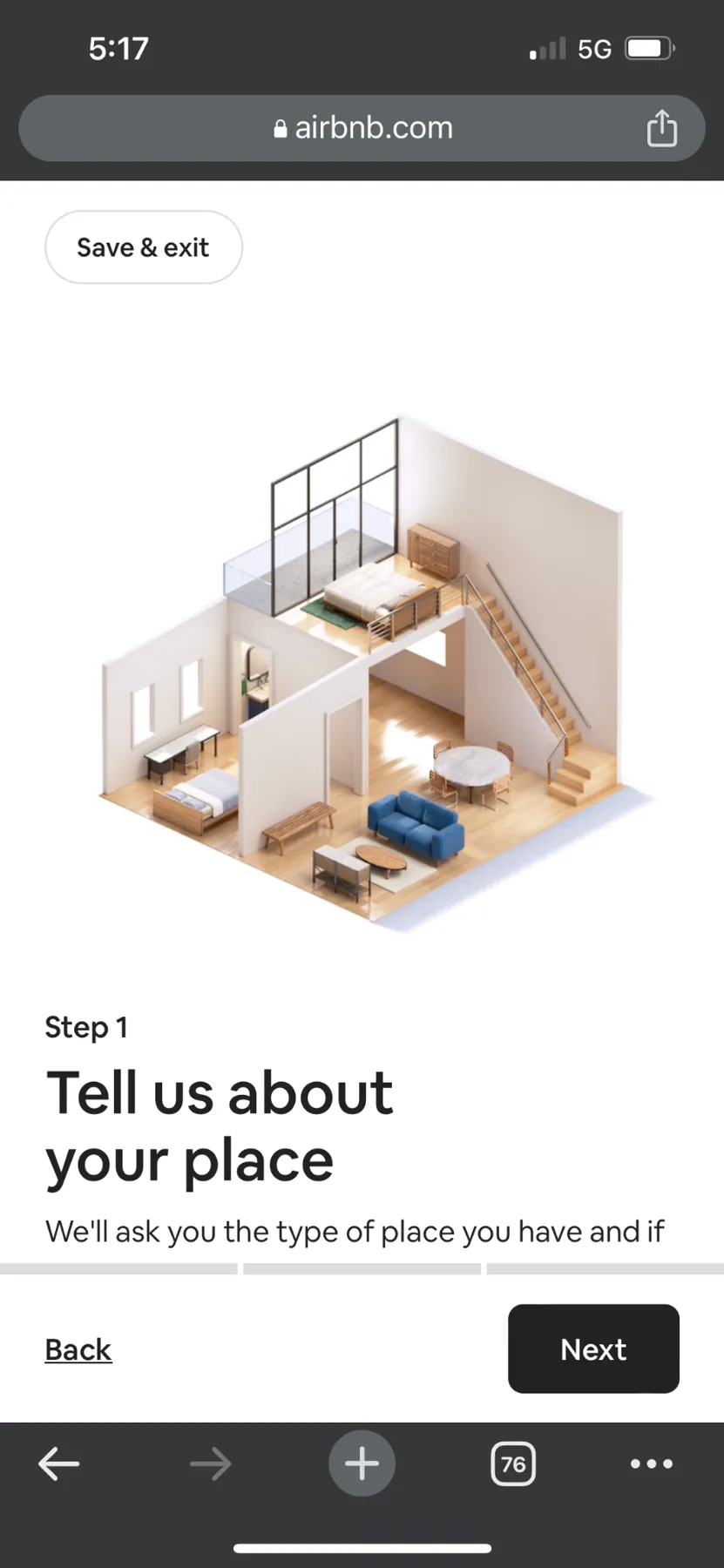
Leading teams.
Crit as a practice
Specificity is kind. Curiosity leads to rigor. Designers leave with direction and a sharper sense of why.
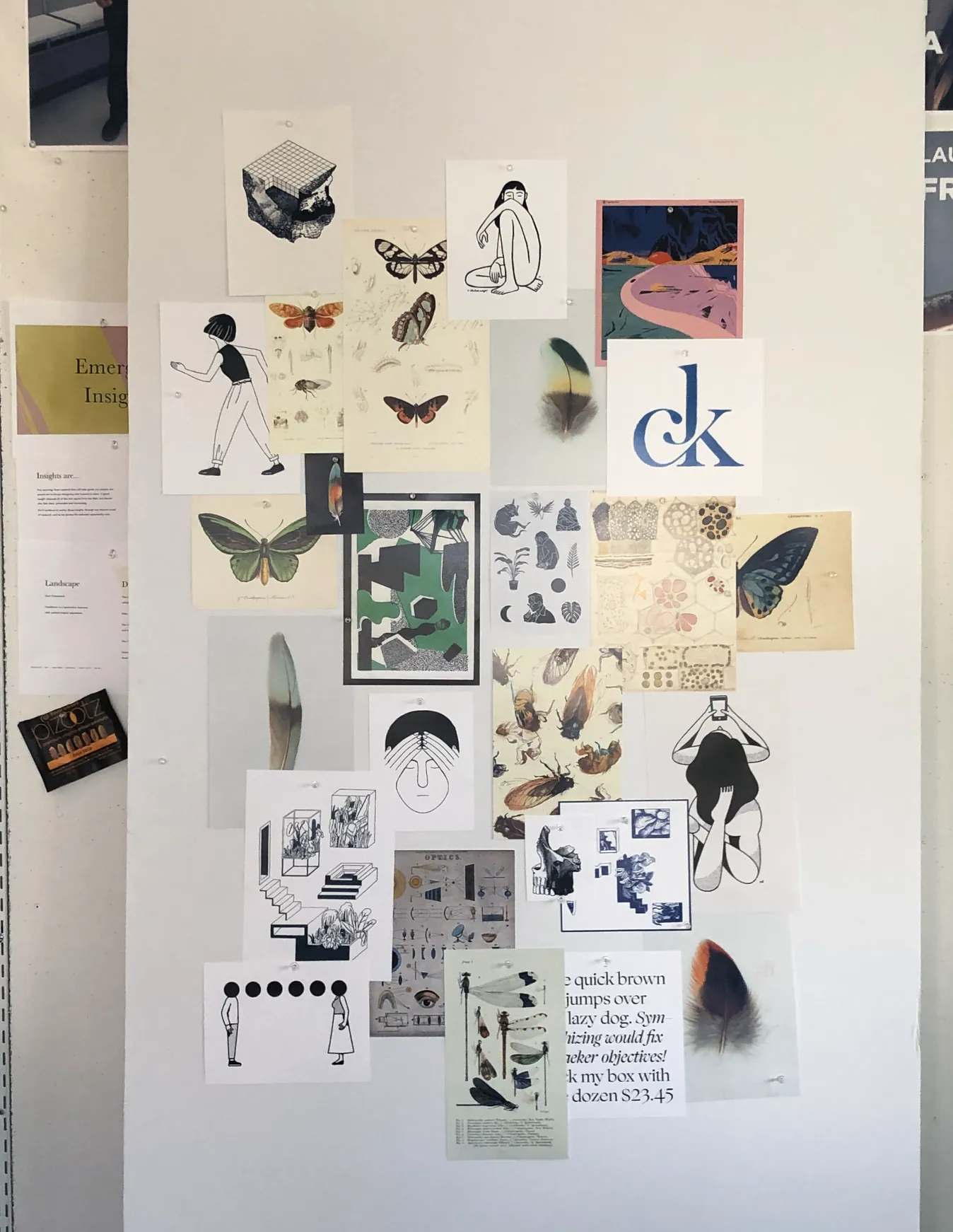
Make it visual
Figma mockups, moodboards, Claude Code prototypes, decks. I lean in by making the thing, not just describing it.




Shared language
Co-design workshops, tonal matrices, color systems. Frameworks are how brand becomes a product decision.
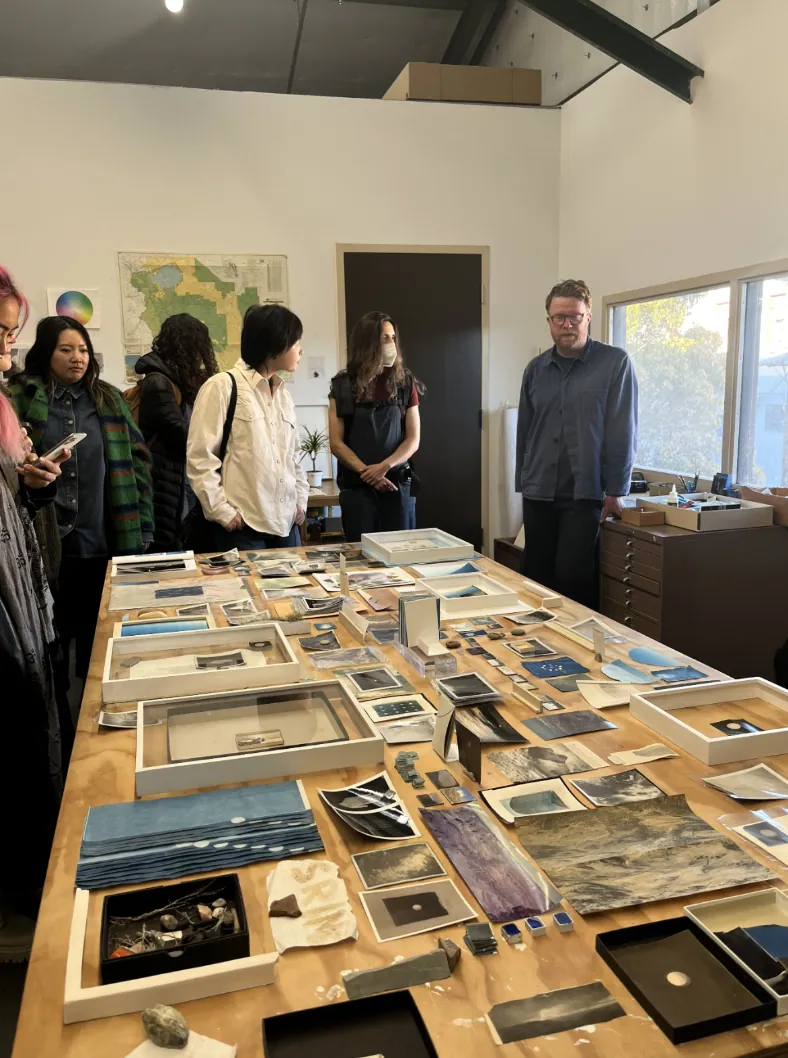
Align through ritual
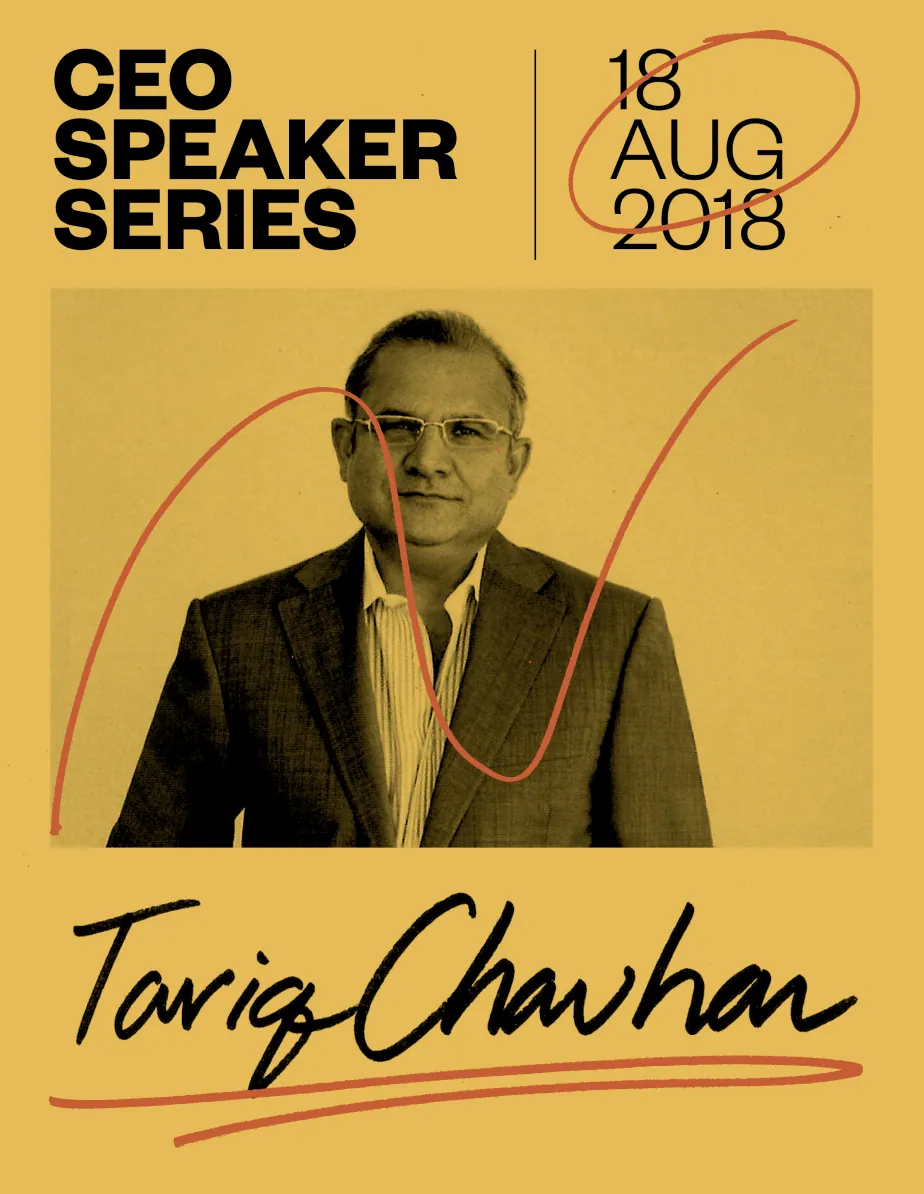
Museum visits, speaker series, play, team norms. Rituals that root the bar in shared experiences and co-created standards.
Case study 01
Meta
How much expression should a product enable?
Senior Staff Creative Director, Visual Design Systems Team · 2023–25
01 · Mapping expression
Defining the ambition.
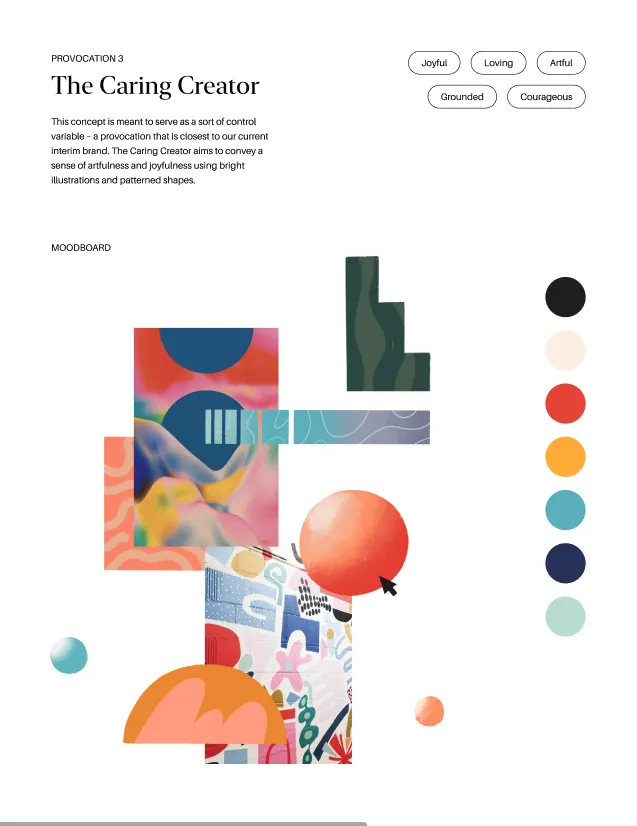
When tasked with redesigning the system, I started with an audit. A tonal matrix mapped existing work, revealing where expression clustered, where it was absent, and where the opportunity lived.
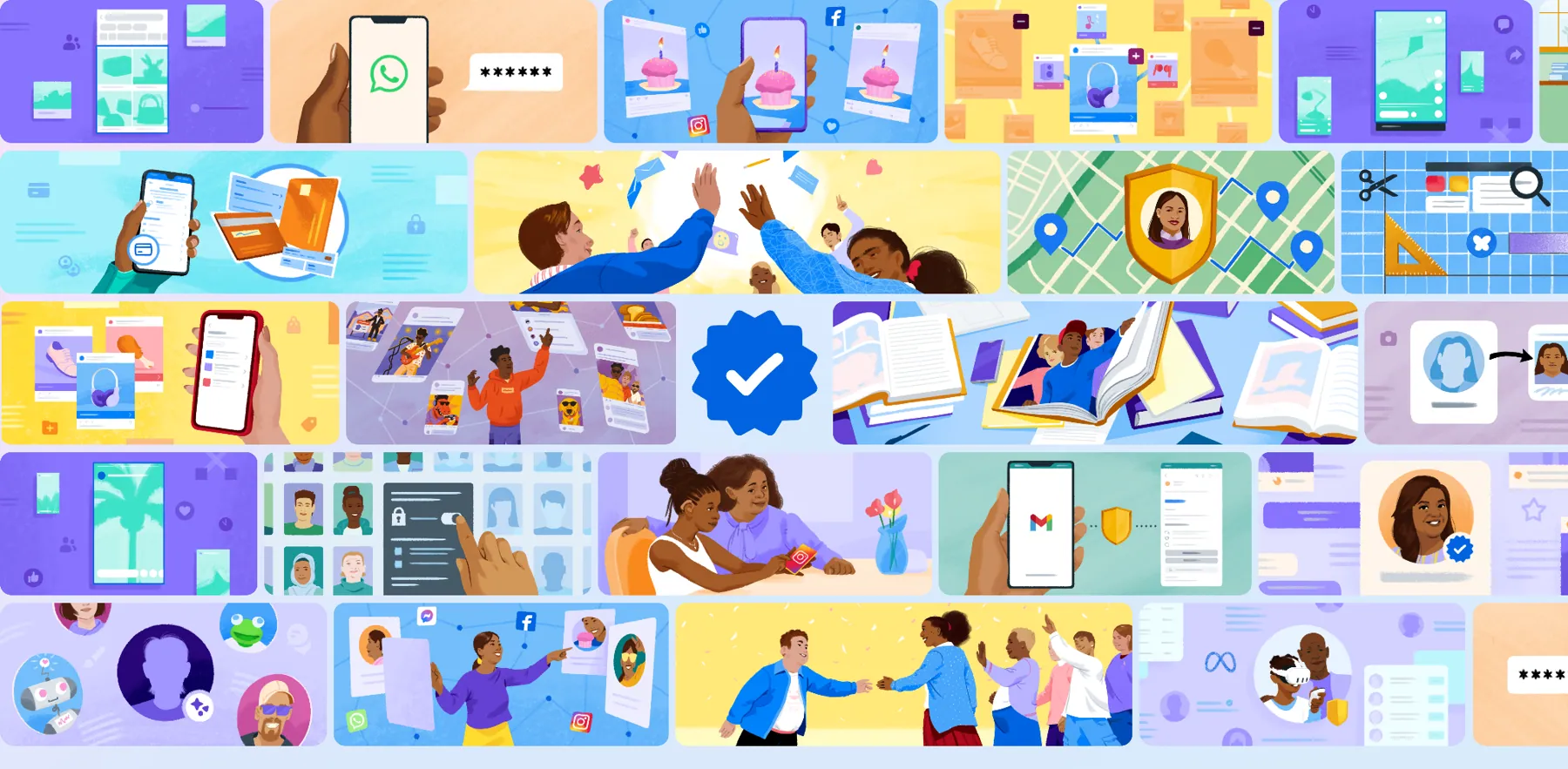
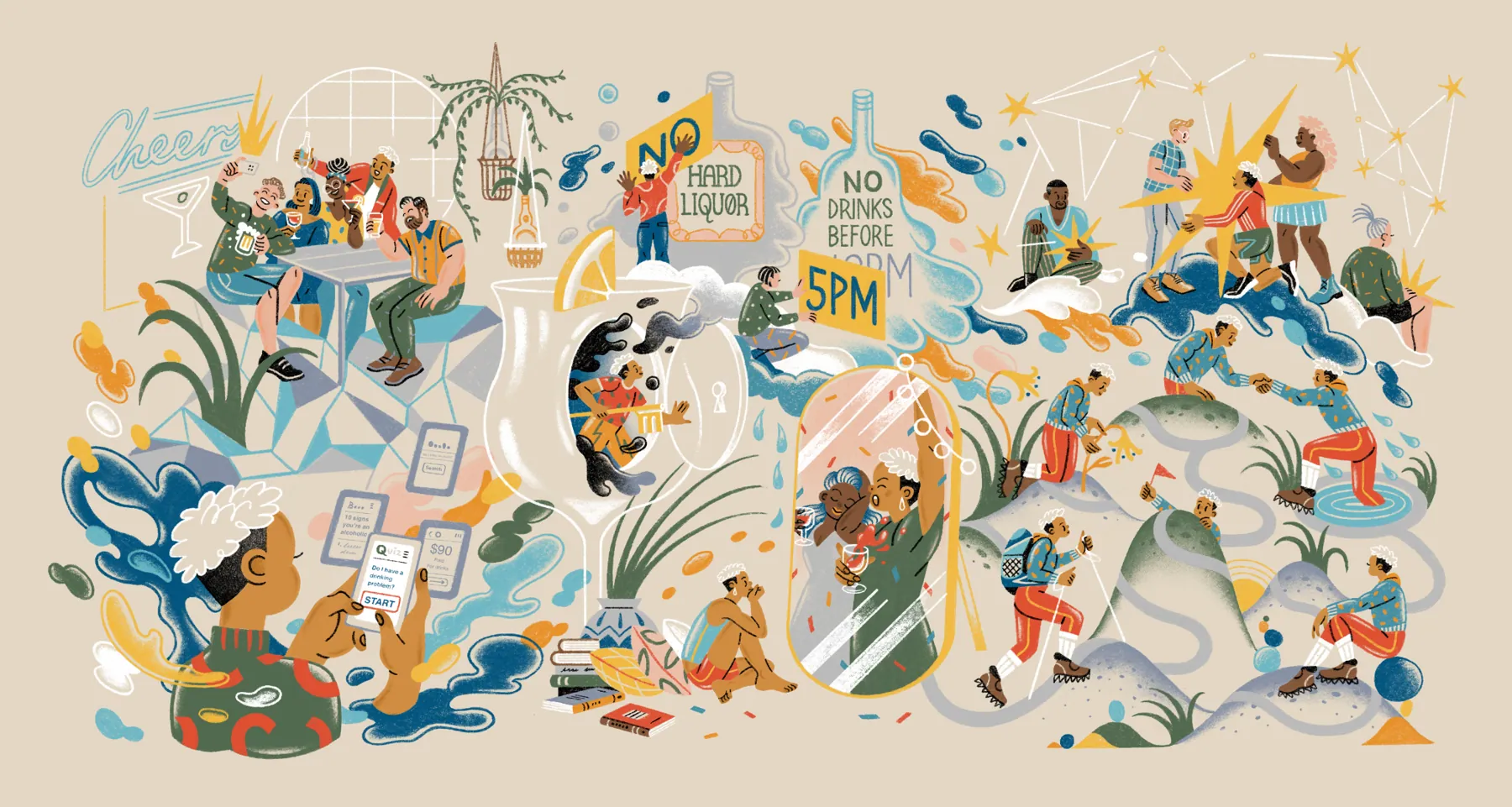
The illustration style when I first joined
Creative direction
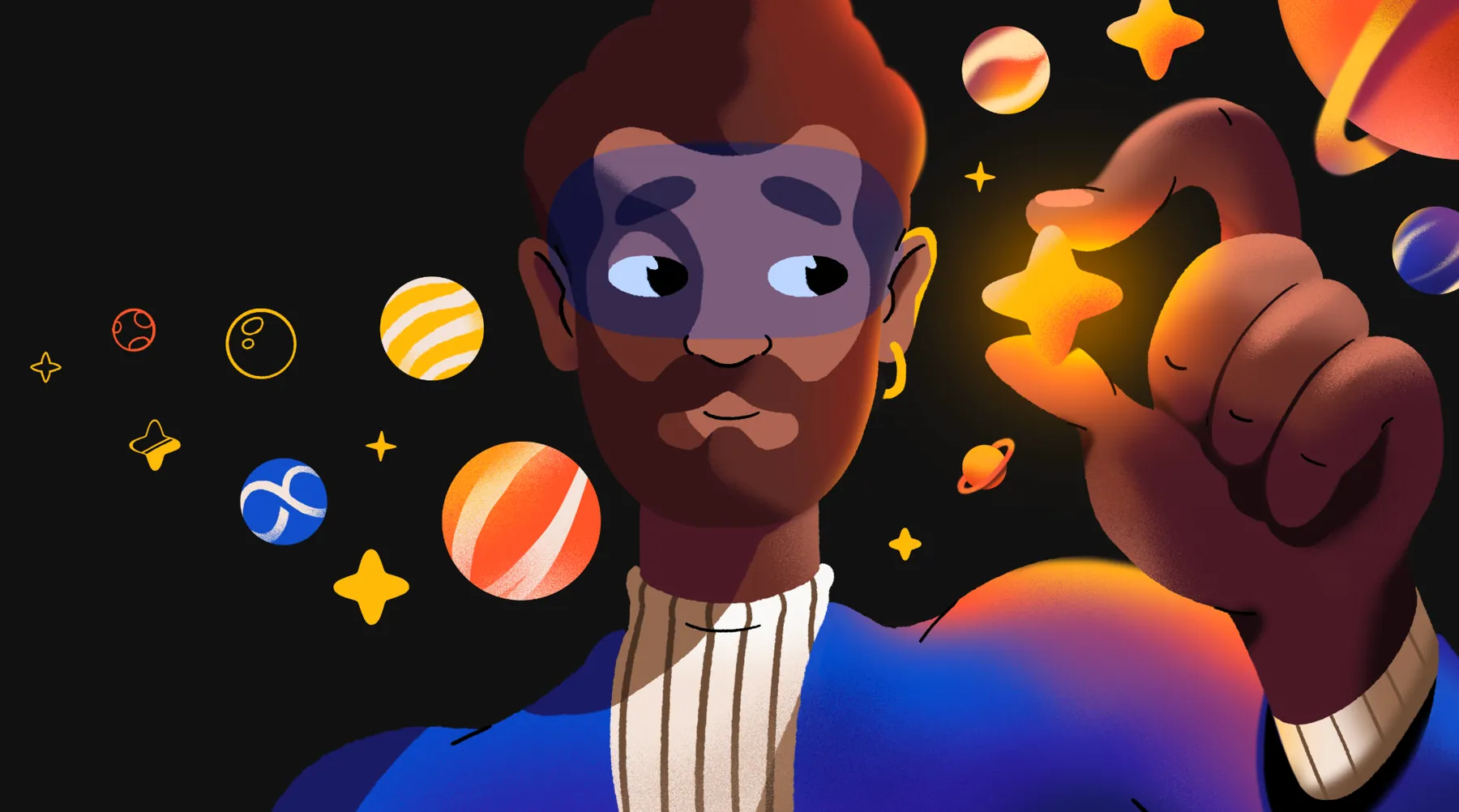
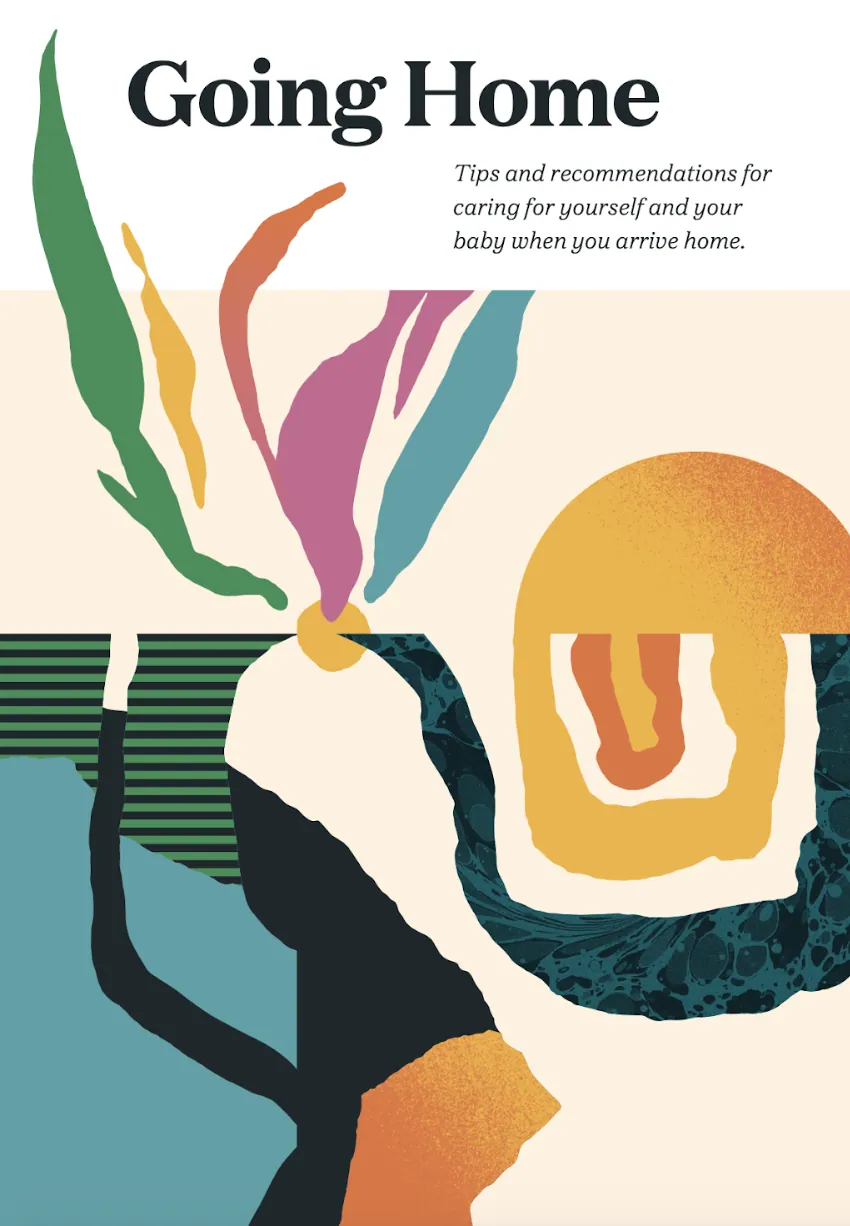
From soft and painterly to dimensional and vivid.
Early explorations set the ambition for the visual language before any rules were written.







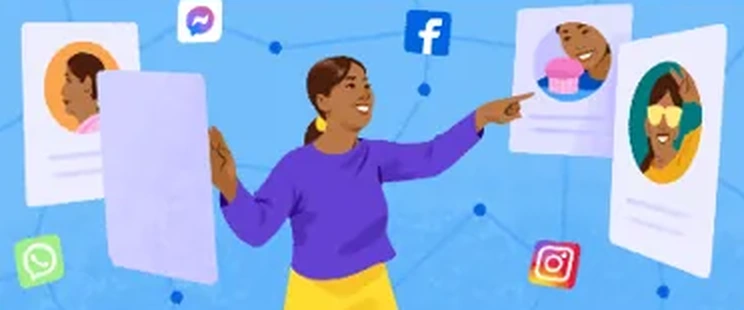
Designed for range
From utilitarian to fully expressive.
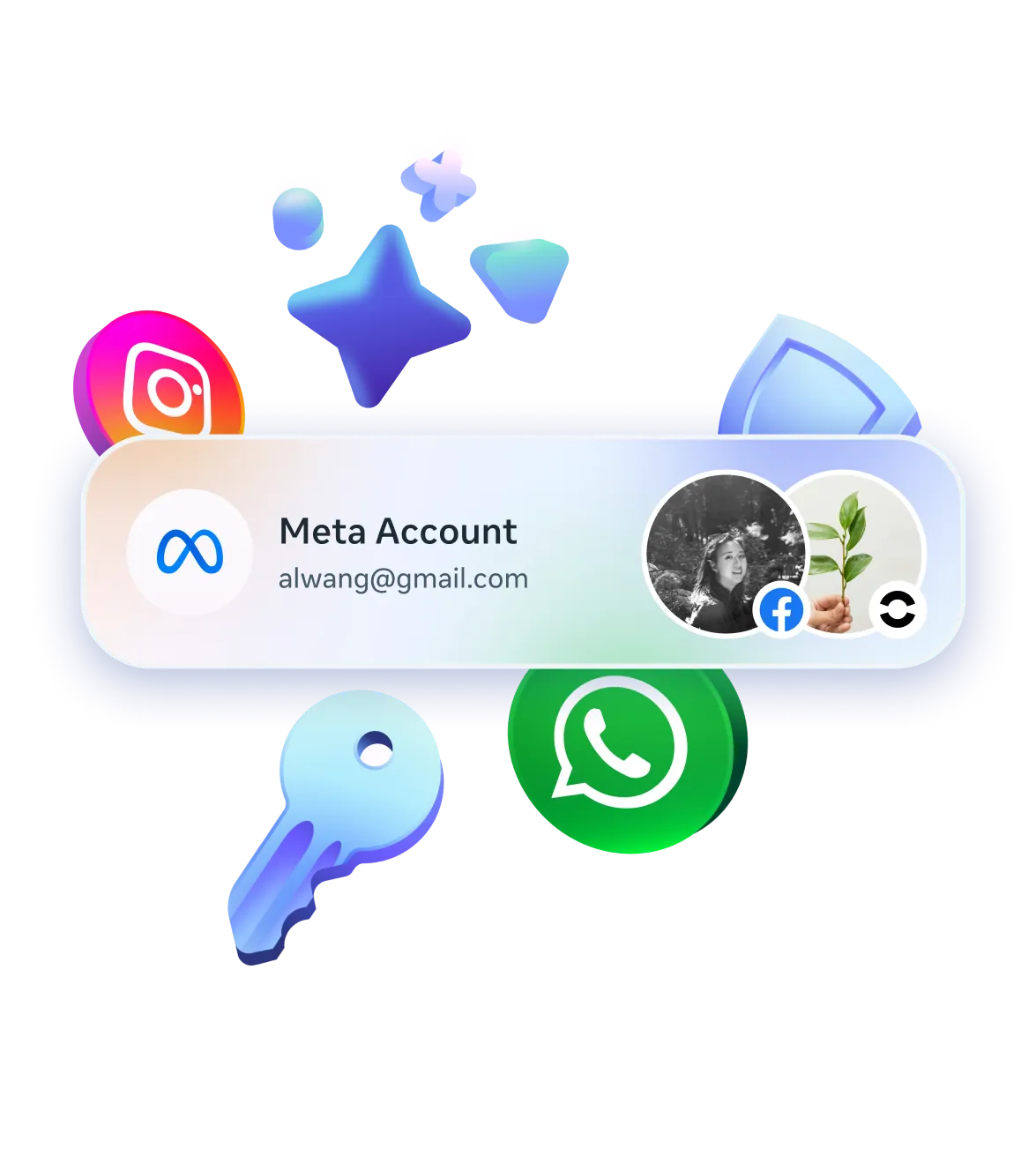
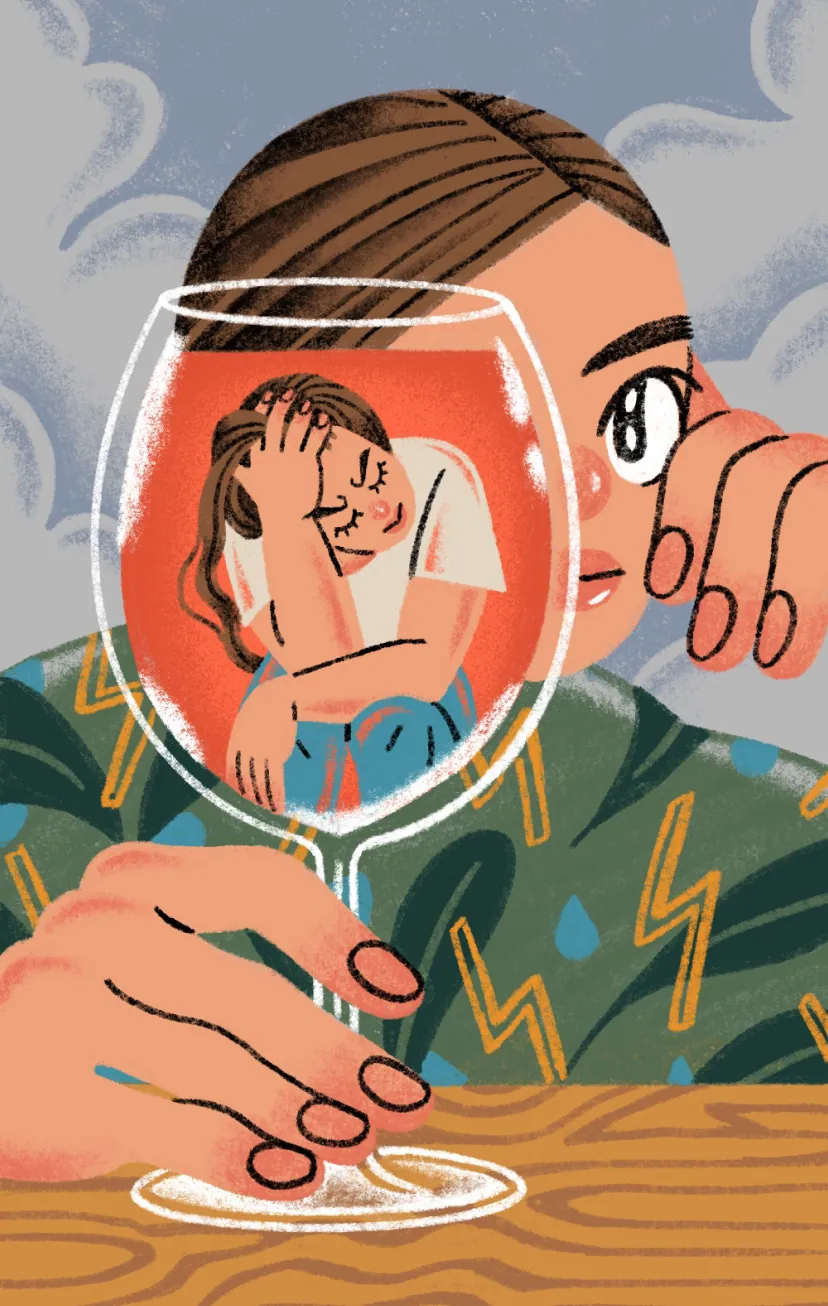
Shifting away from a flat, limited style, we introduced a more immersive language that adapts from utilitarian UI to highly expressive moments.


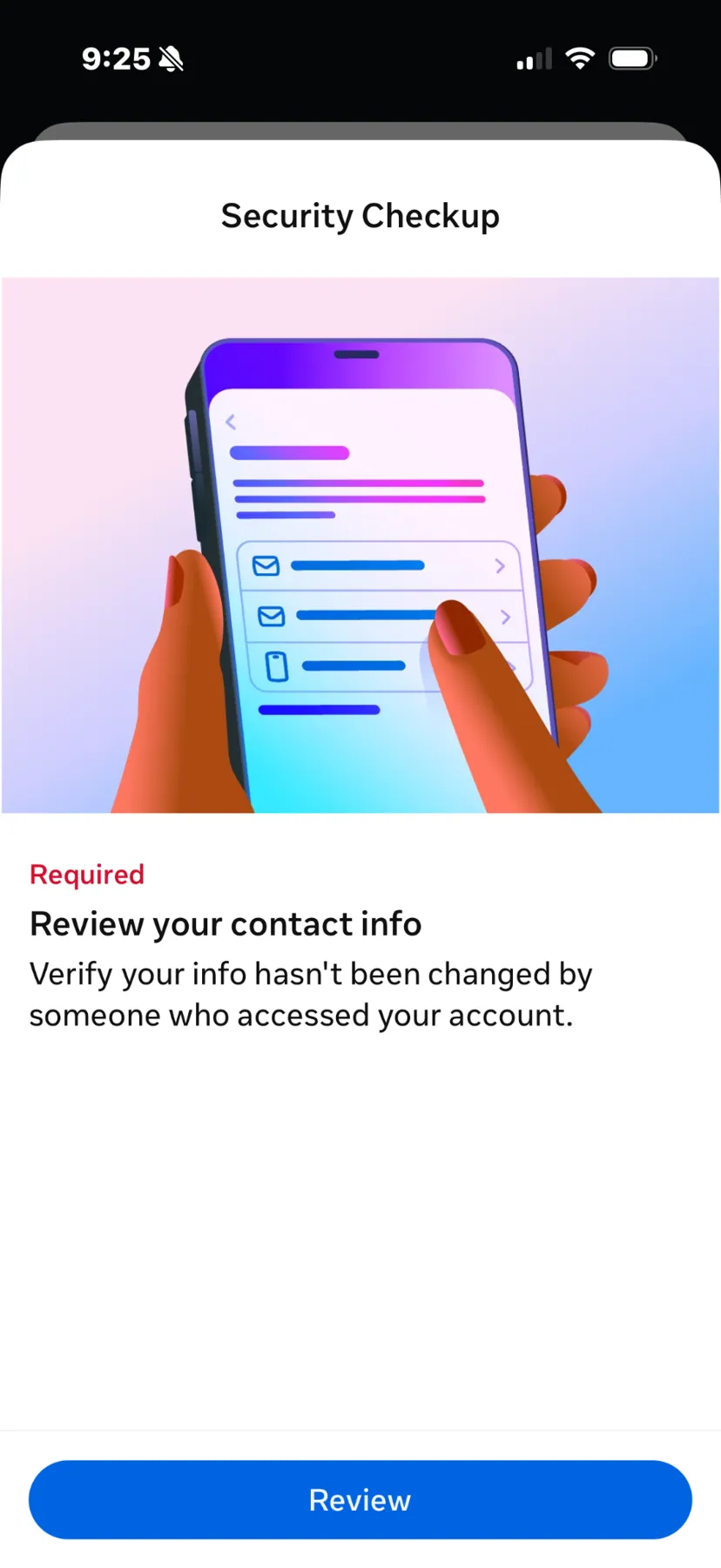
Key considerations · UXR
User research shaped the illustrations.
We tested illustration options with users to understand which metaphors built confidence and which raised concerns about linking accounts.
- 01
Continue to prioritize illustrations that reinforce the concepts of “security” and “access.” A key or a keyhole works well.
- 02
Pay close attention to whether an illustration risks triggering prominent F3 concerns. Illustrations that represent all the apps that could be linked (like the keychain and app icons) may pose such a risk.
- 03
If an illustration does present a risk, assess whether the information it conveys is worth it, and if so, incorporate concern-mitigating language alongside it.
- 04
Tread carefully when deploying illustrations early in pre-migration. This may be a user’s first exposure to F3. A simpler but less informative illustration may be the safest at this stage.
- 05
To help distinguish it from FoA and increase the association with Meta, consider a more striking futuristic illustration or incorporate the Meta logo more prominently.




04 · Charm system
Recognizable metaphors that signal Meta.
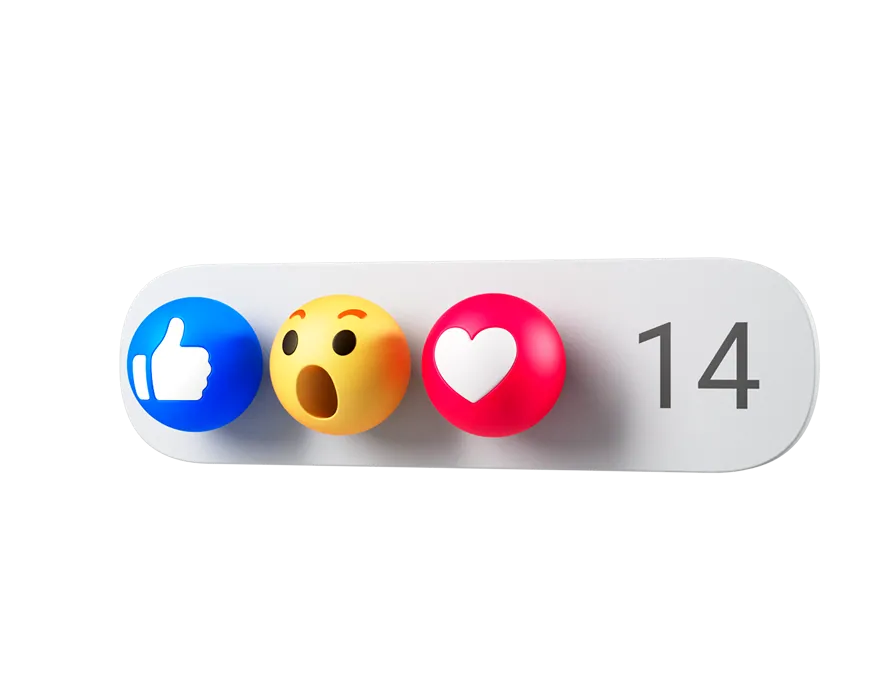
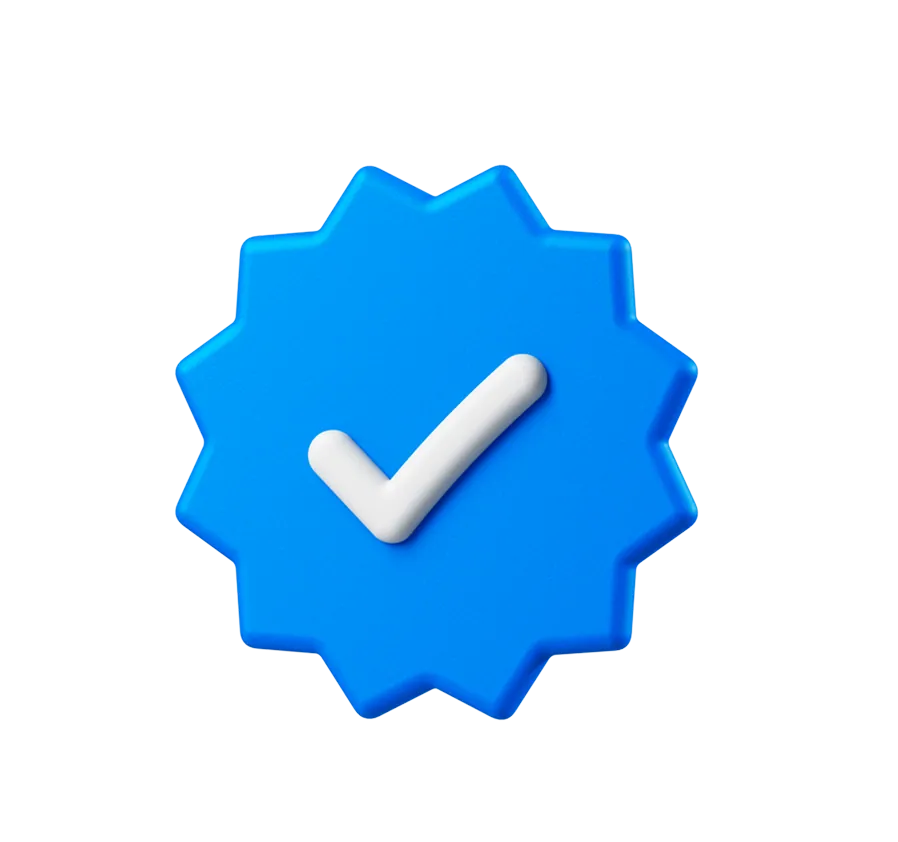
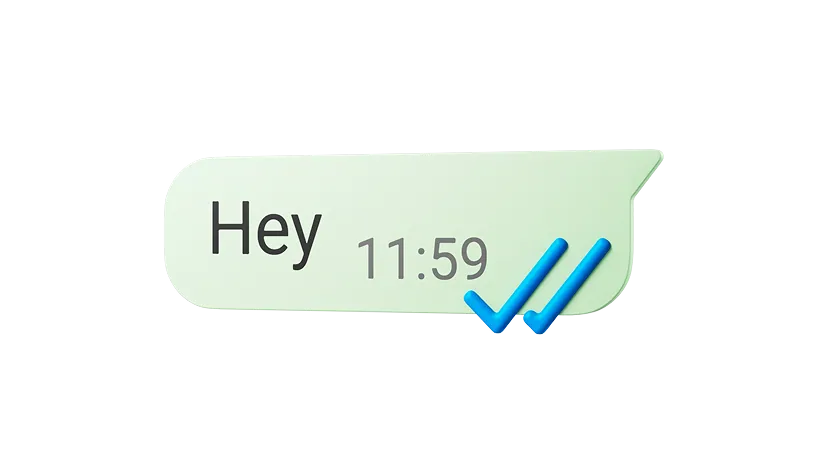
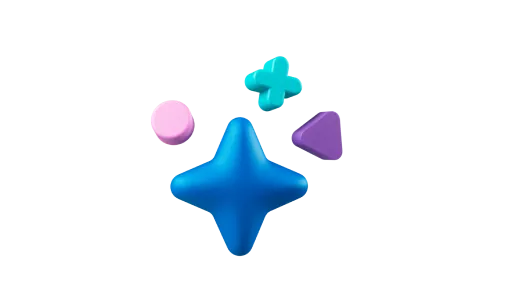
Charms are reductive encapsulations of our brand’s equities or symbolic representations of product benefits. They drive immediate attribution and aid comprehension.






05 · Judgment framework
Expression isn’t binary.
Different surfaces have fundamentally different jobs, so I developed a framework to apply the system with intention.

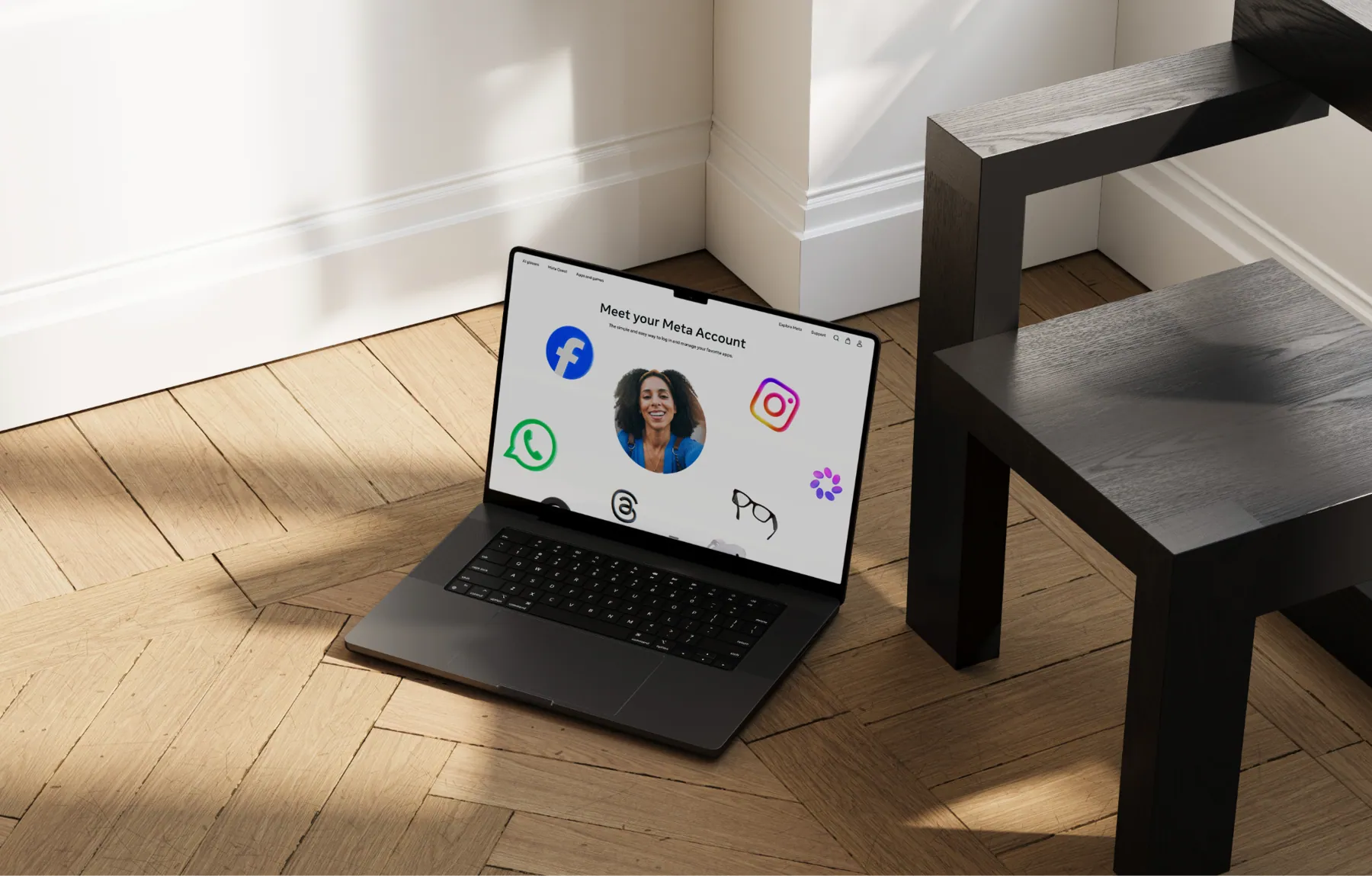
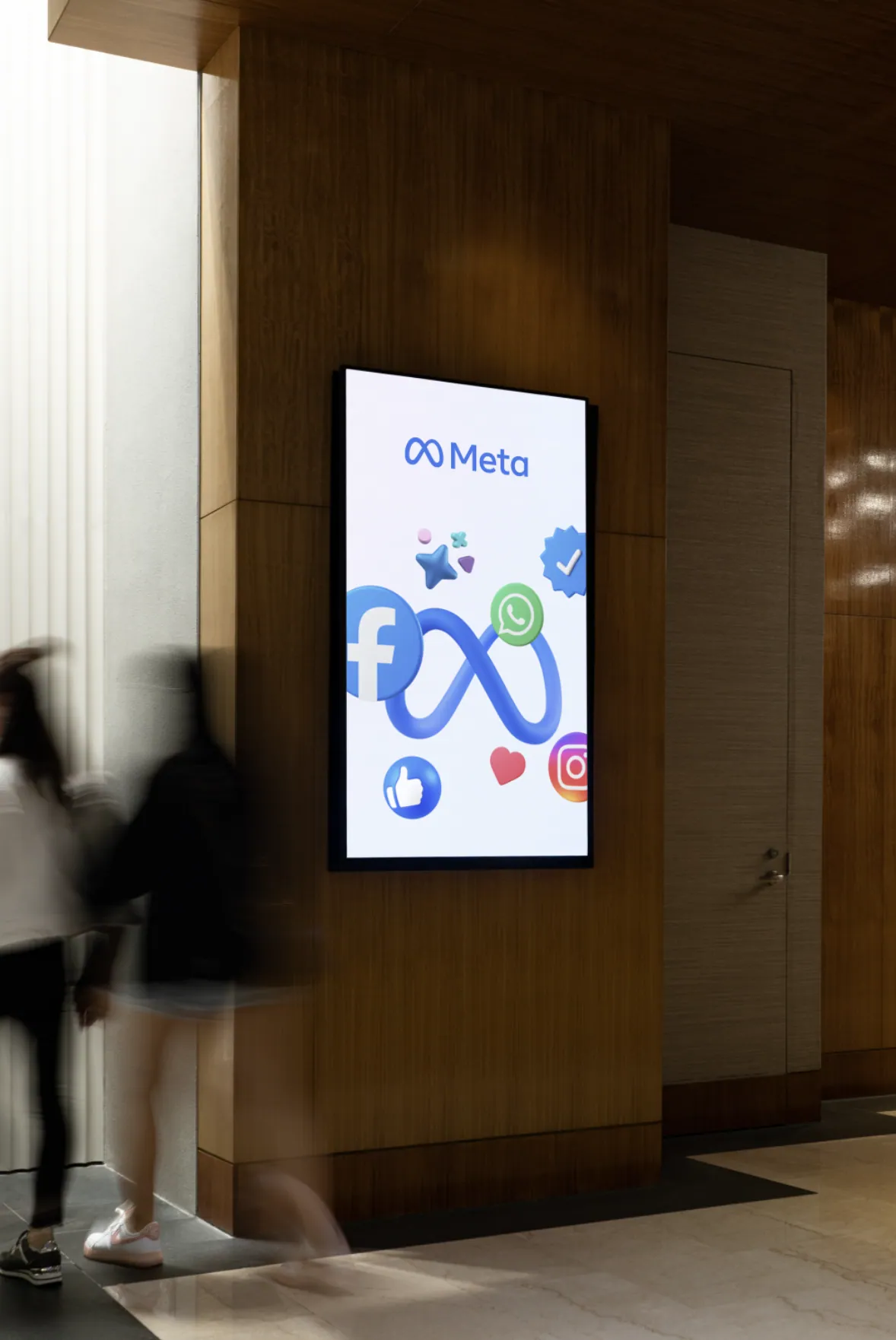
Across surfaces
Meta Accounts, on the web and out of home.
Customer flows
Every screen, tagged to what it delivers.
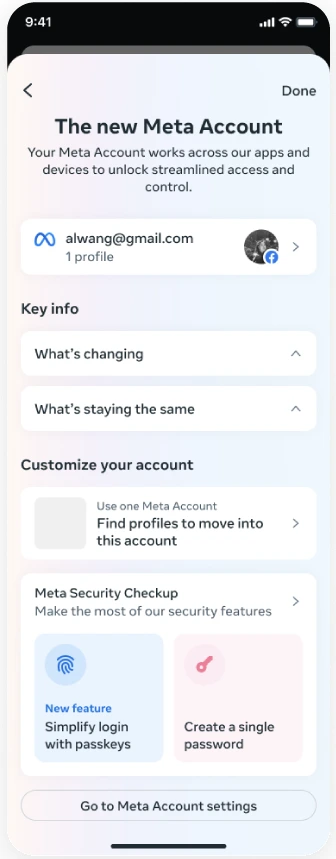
We mapped the Meta Accounts flows end to end and tagged each screen against three product benefits and two goals. The same lens ran across hundreds of flows.
Product benefits
Goals
New to Meta
Migration
Registration
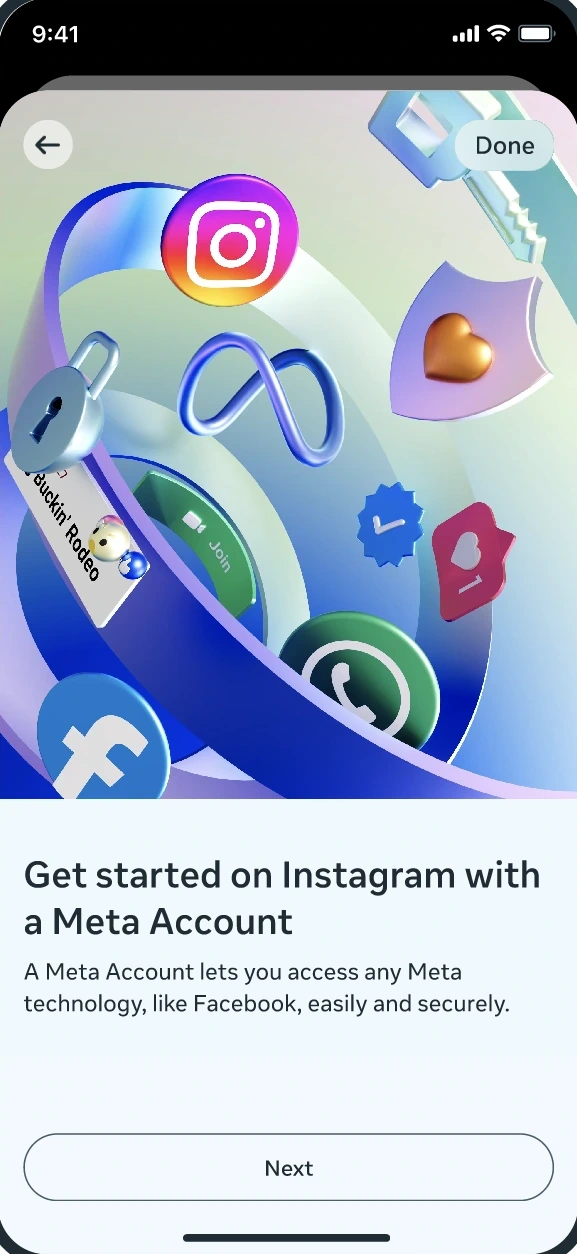
Pre-migration QP
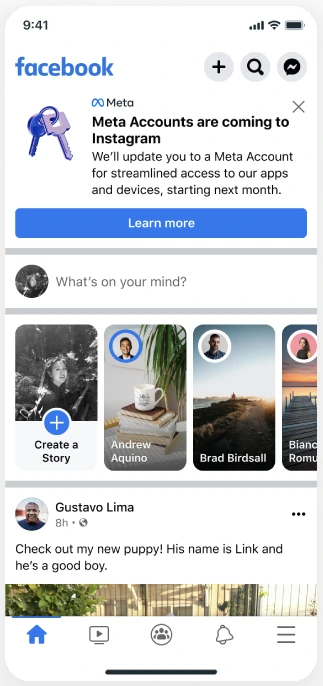
Announcement
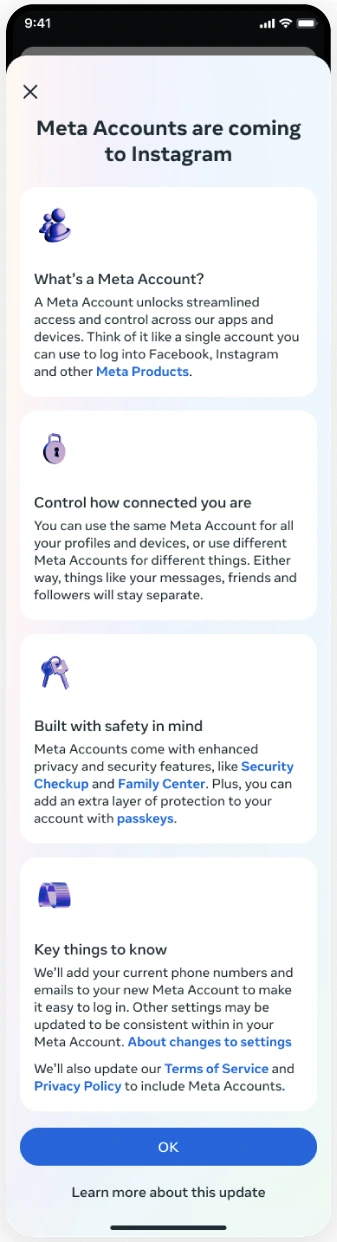
Migration moment
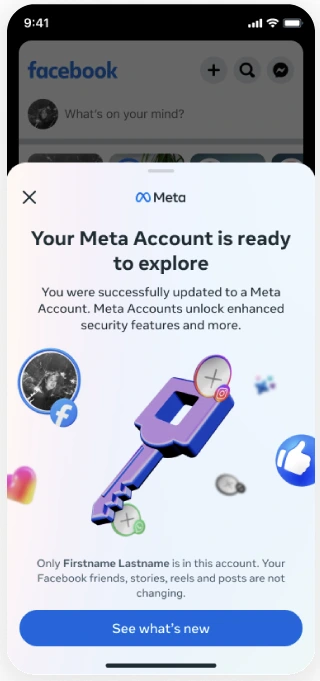
Meta Account NUX

Case study 02

Trust was the experience.
Design Manager to Head of Design, Product and Creative · 2020–22
Photography
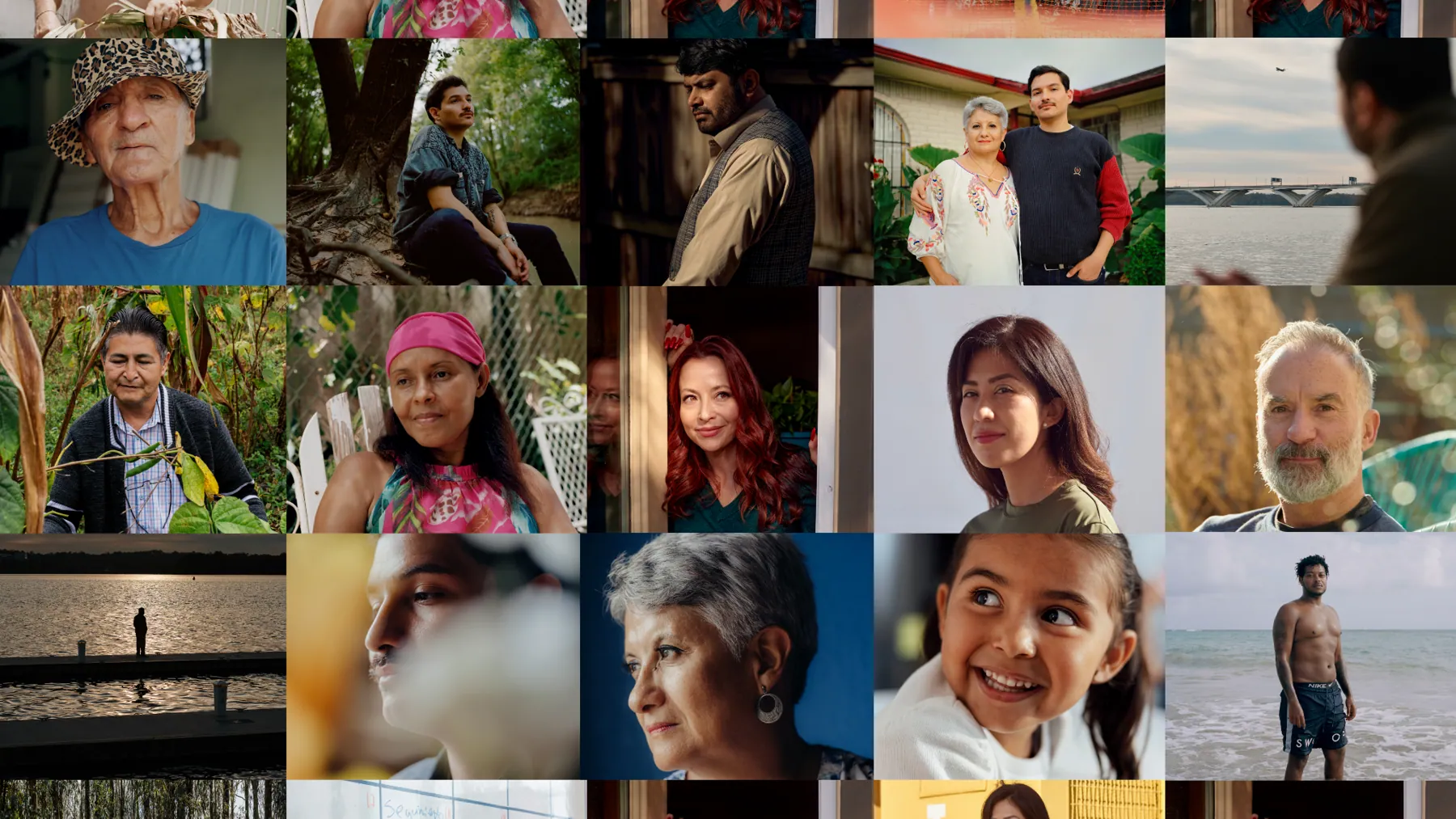
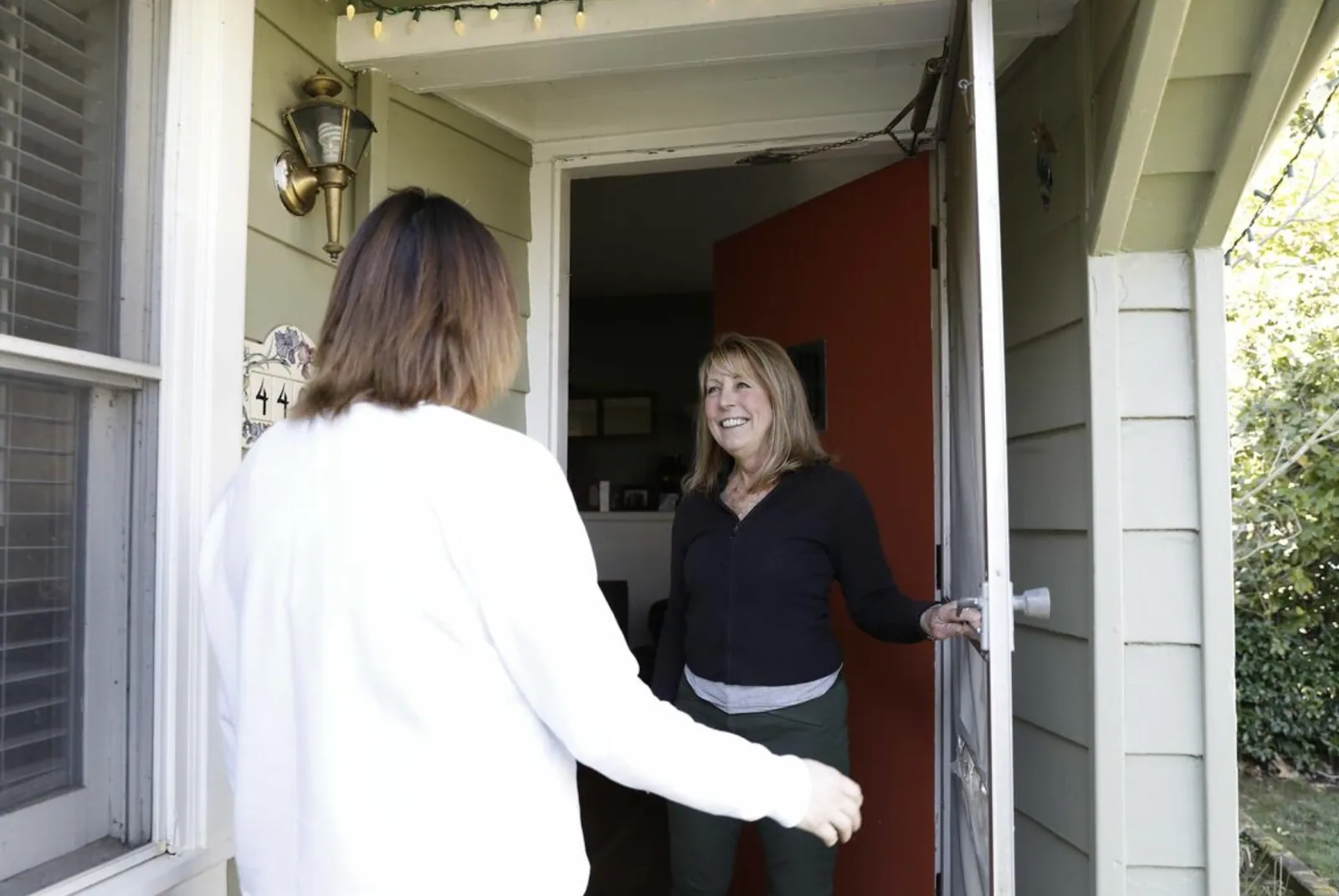
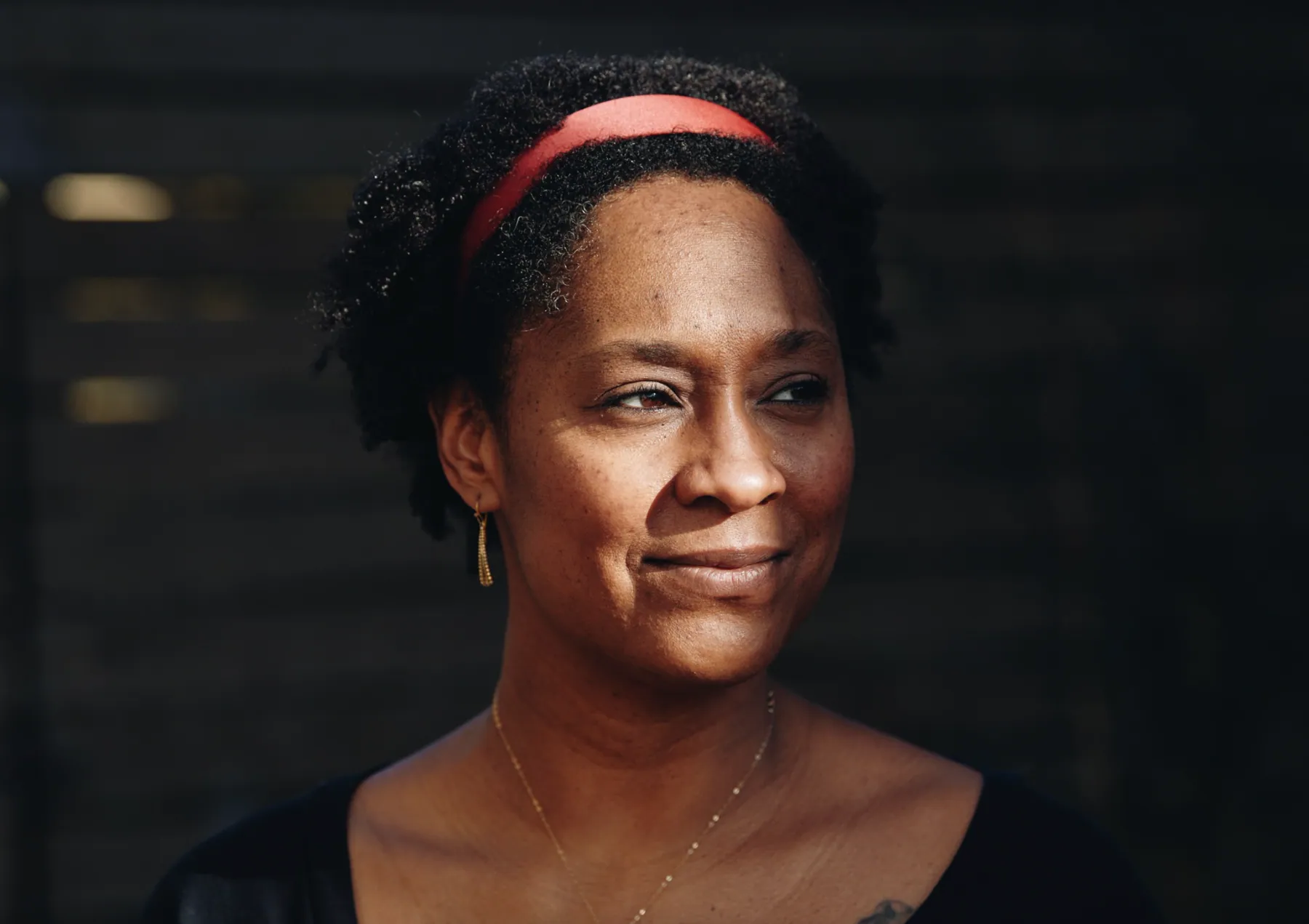
Trust begins with how people are represented.
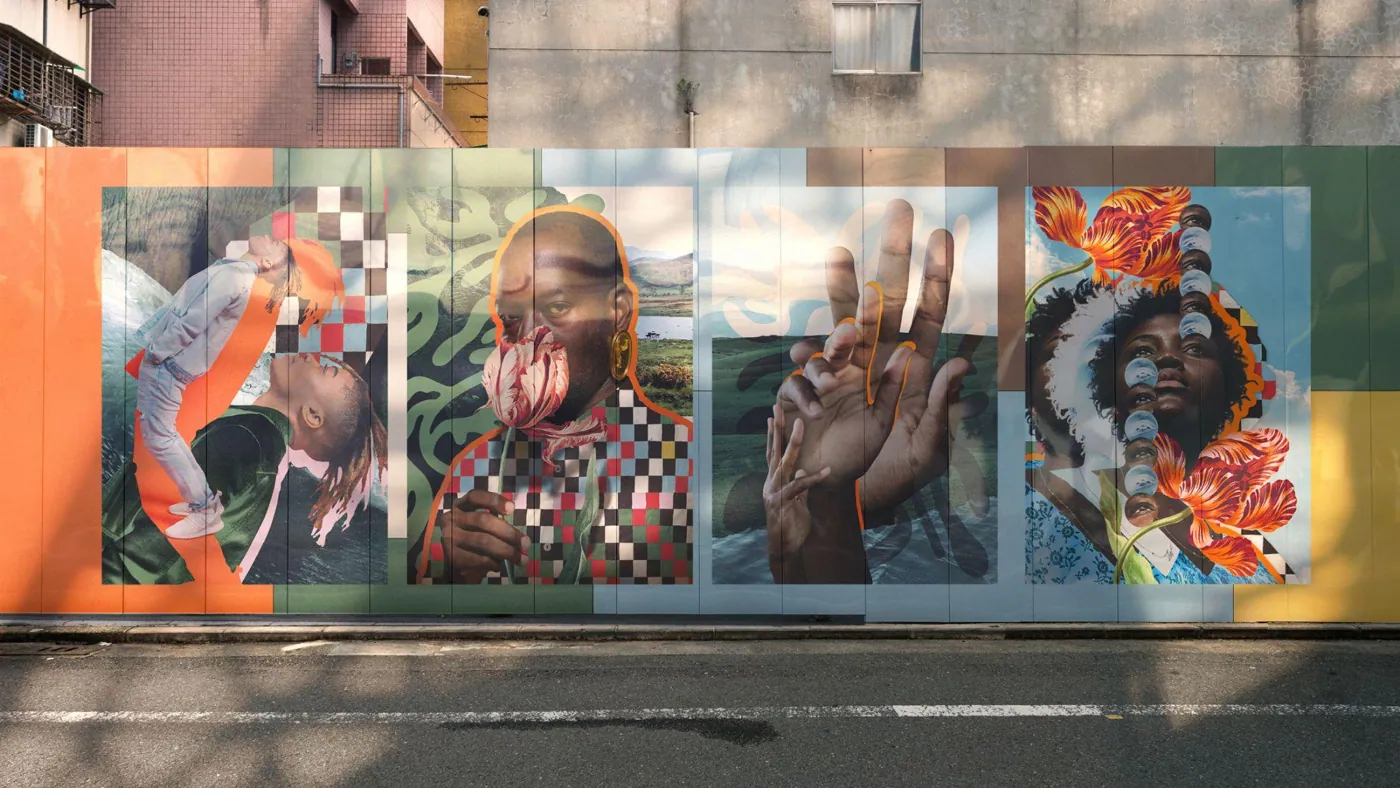
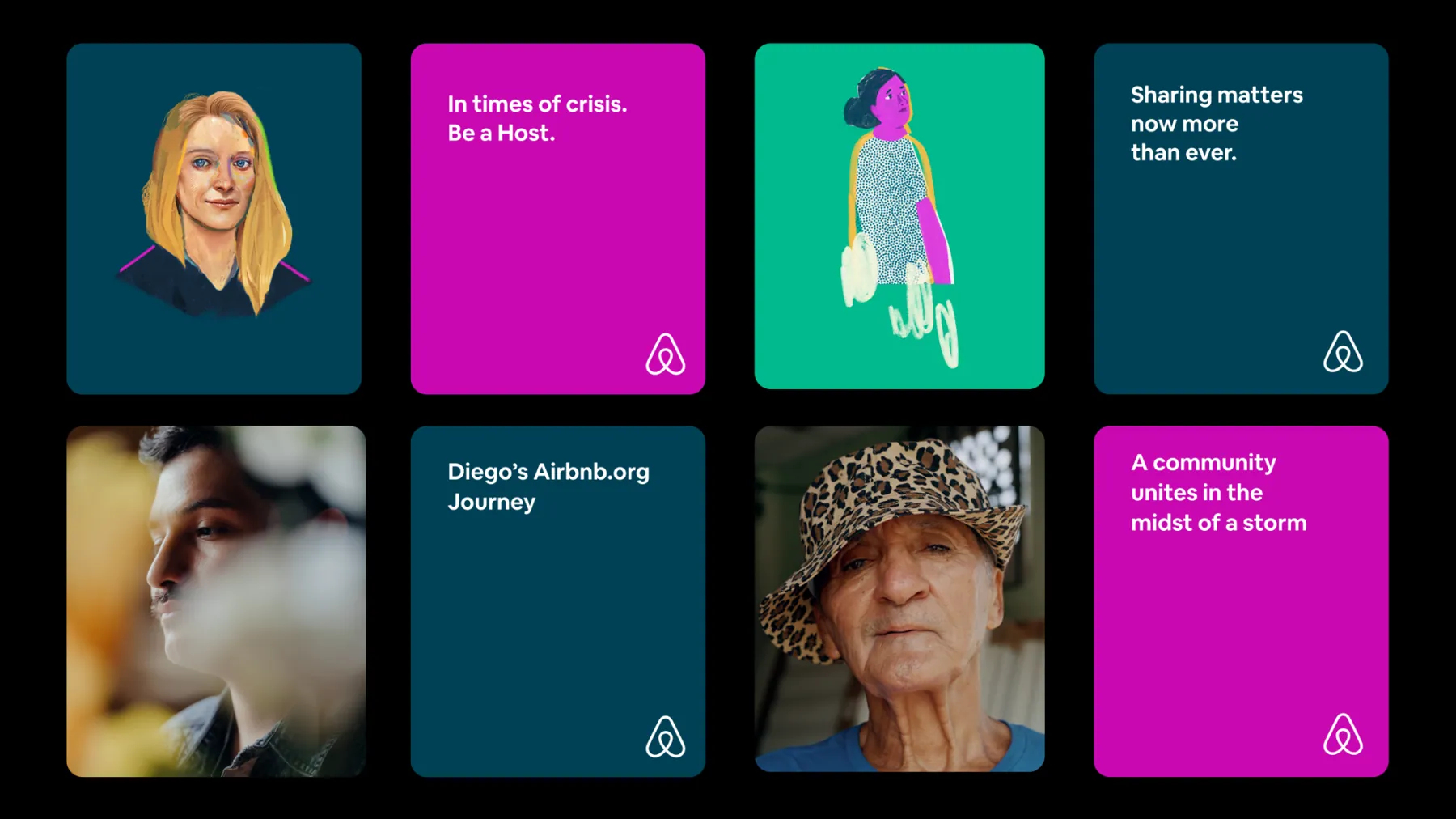
We moved away from staged stock photography toward portraits of real guests, hosts, and partners, guided by principles for ethical storytelling.
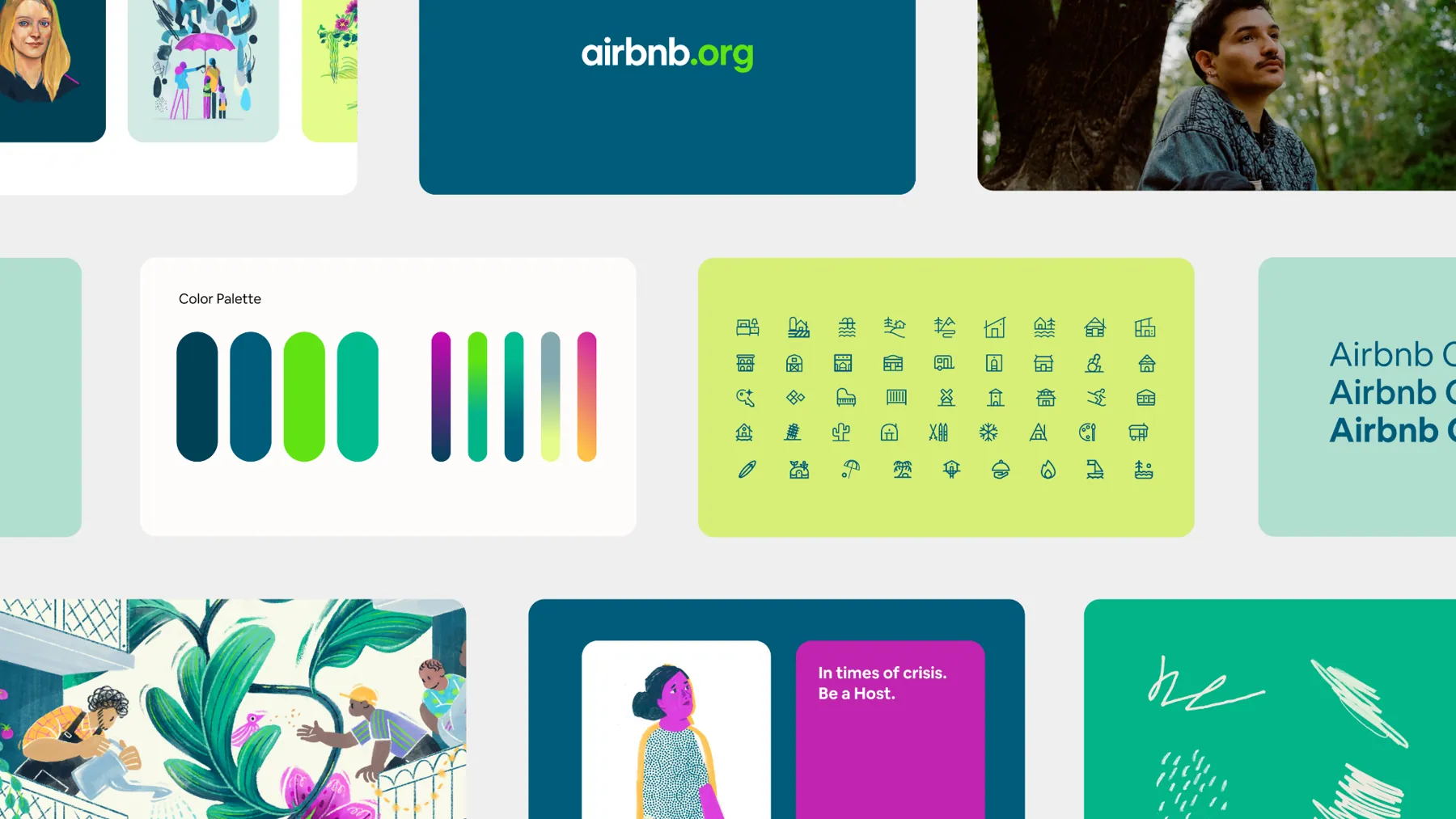
Visual language
This is where the system becomes visible: texture and tone that signal clarity, care, and intention.
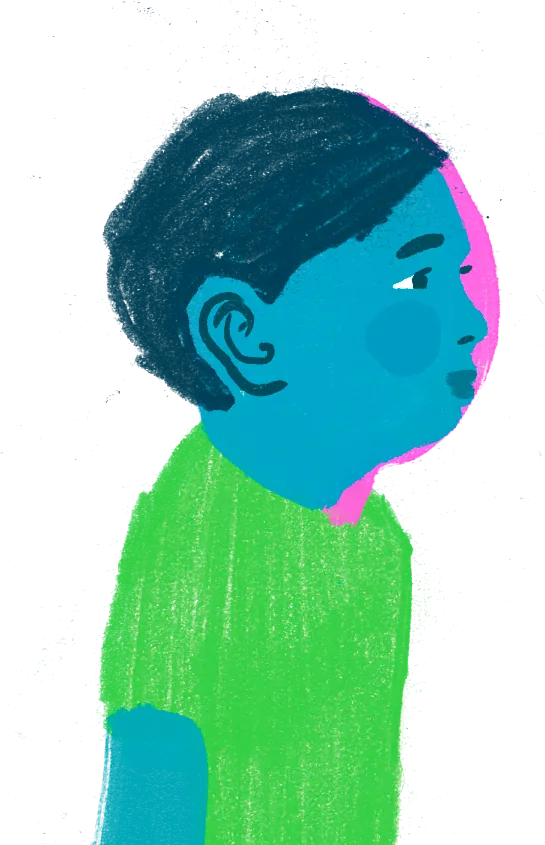

From research to story
Research workshops with Diego shaped the story.
Insight 01
Community can be defined many ways
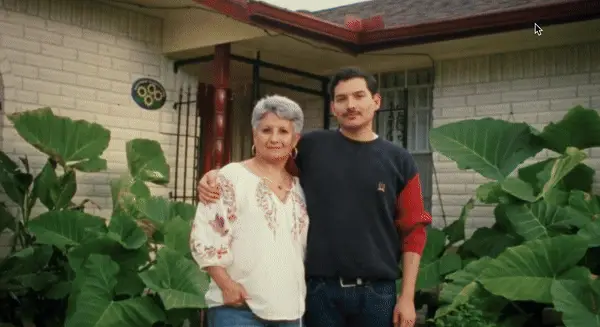
Community looked different for Diego. His mother, his imagination, and solitude shaped it most.
Insight 02
A network of kindness
After Harvey, his mother’s church and community rose to the occasion to repair her home.
Insight 03
Home is nomadic
“Home is the memories I keep from all the places I’ve been.”
Diego
Portrait from the shoot
Co-designed with the guest
The workshops were co-design sessions. Diego shared his story, we clustered what we heard into themes, and dot voting decided which ones would carry the film.
“The volunteers did not care about the language barriers. They cared about humanity.”
Diego
Across channels
Website, social, and newsletter.
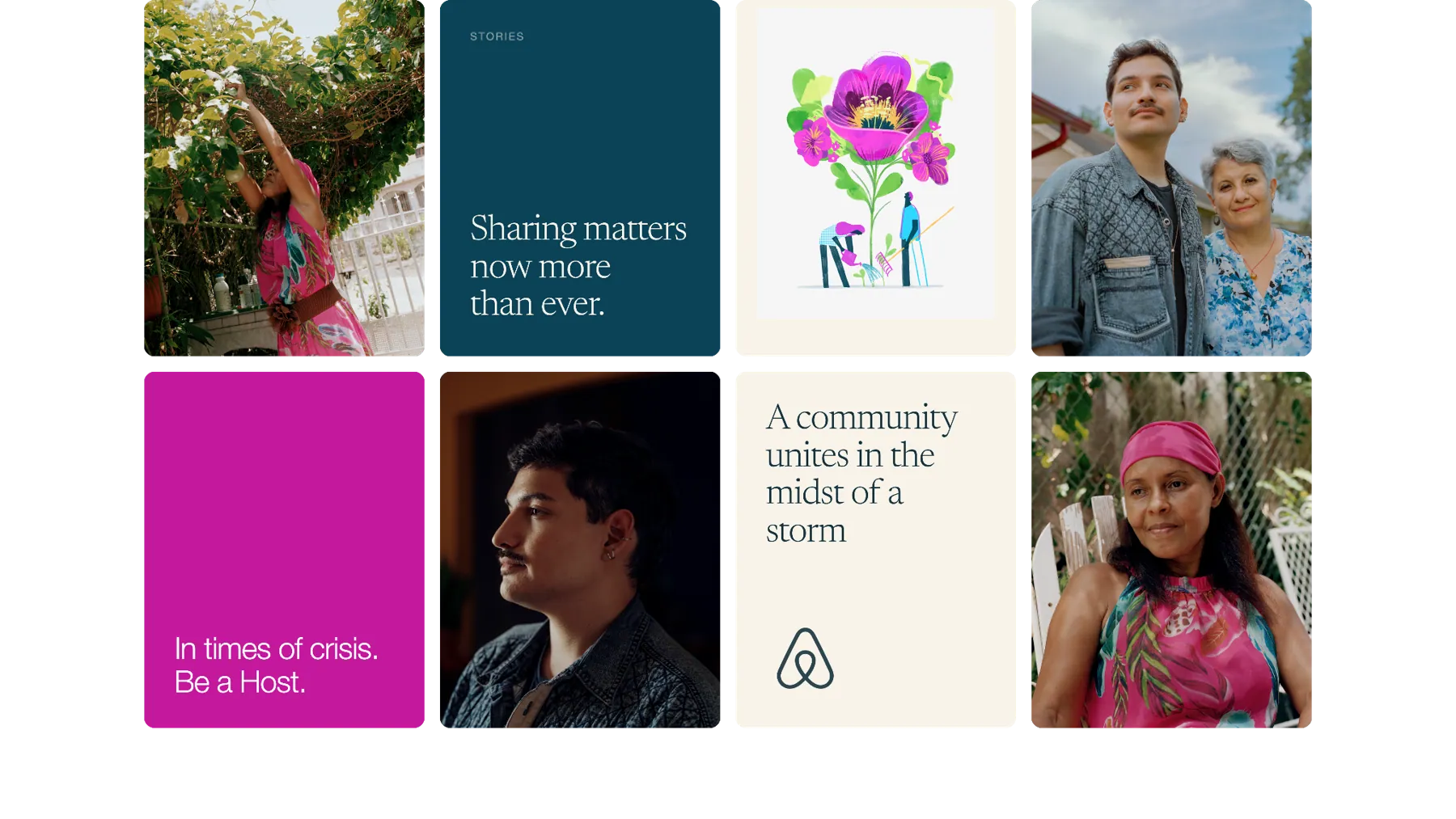
Social
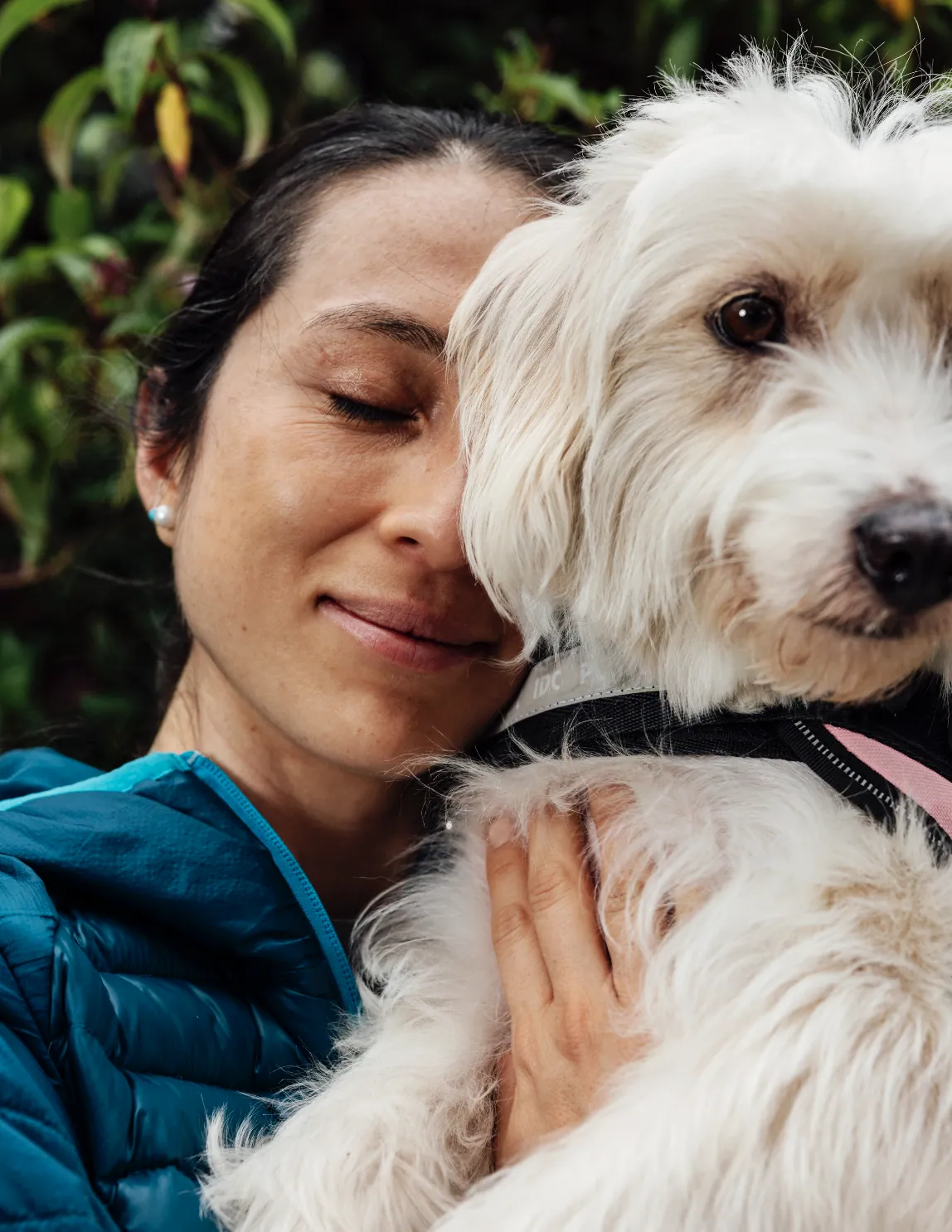
Free, temporary housing for people in crisis.
Ways to help
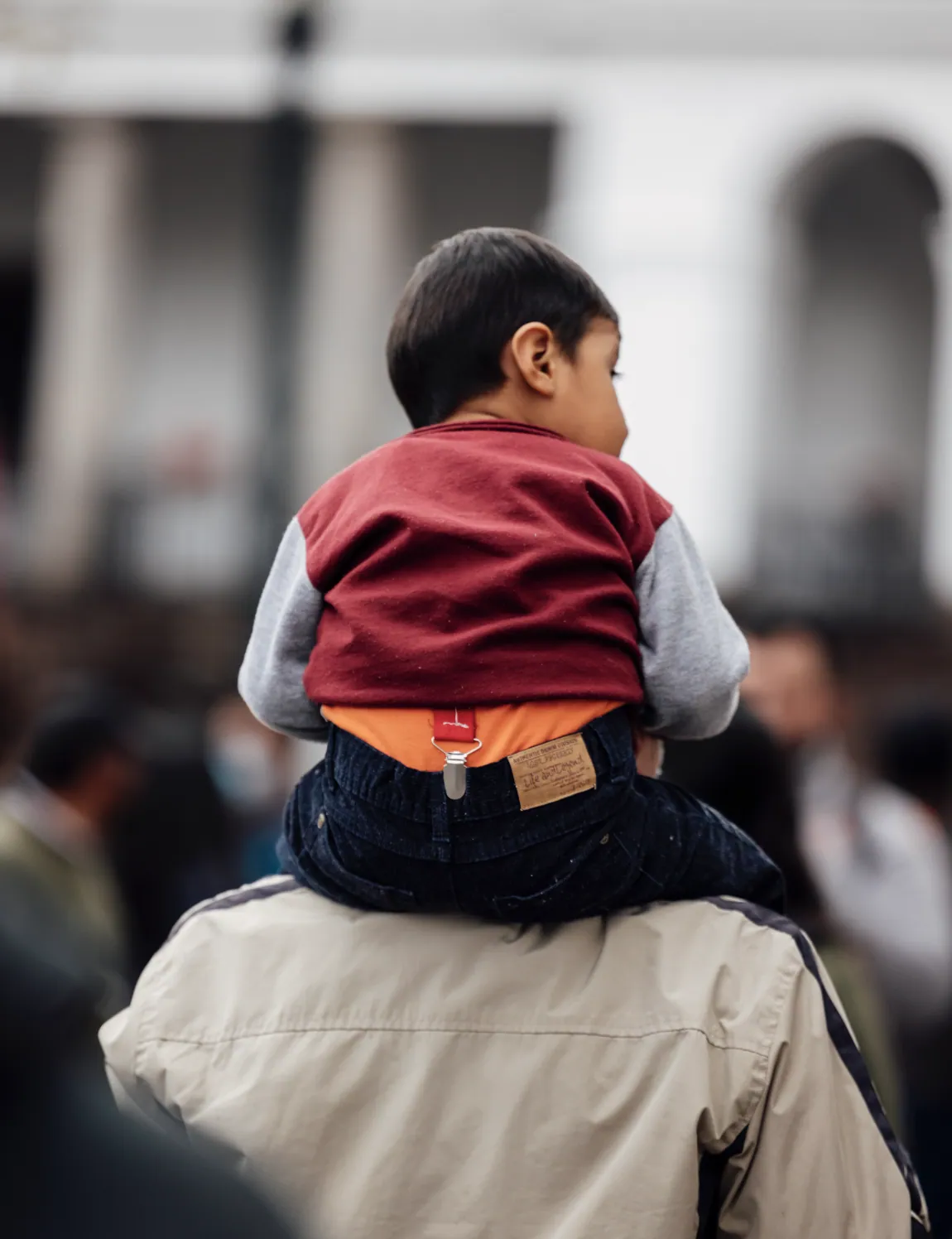
Host a stay
Offer your space for free to someone who needs a place to stay.
Donate
Donations go directly toward funding stays for people in crisis.
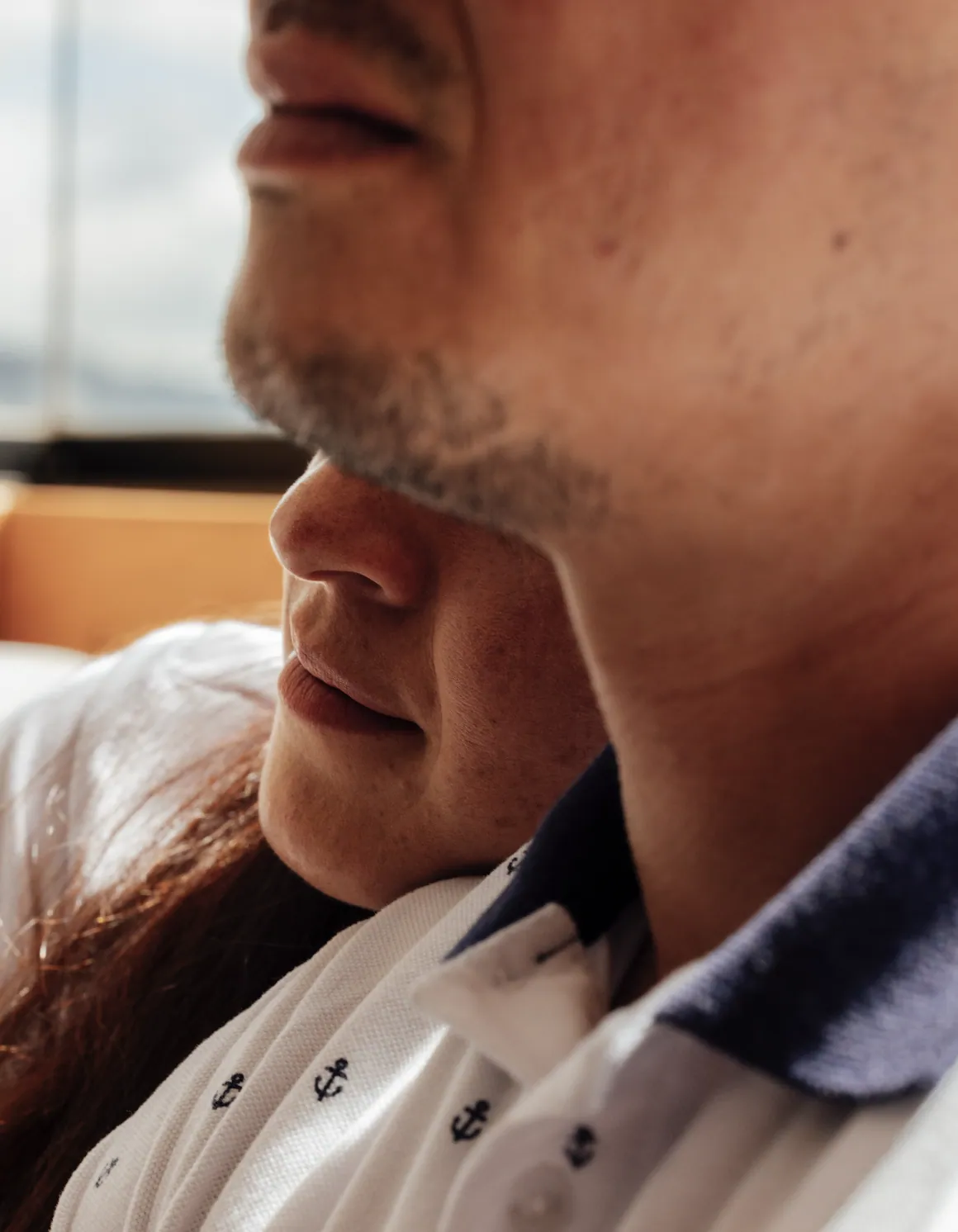
Working with nonprofit partners
Partners on the ground identify people who need housing and help them book stays. Hosts in the community welcome them in.
How hosting works
A partner confirms each guest before they book. You choose your dates and approve every stay, and Airbnb waives its service fees.
“The volunteers did not care about the language barriers. They cared about humanity.”
Diego, Airbnb.org guest
Help someone find a place to stay
Your donation funds stays for people displaced by disasters and conflict.
Website
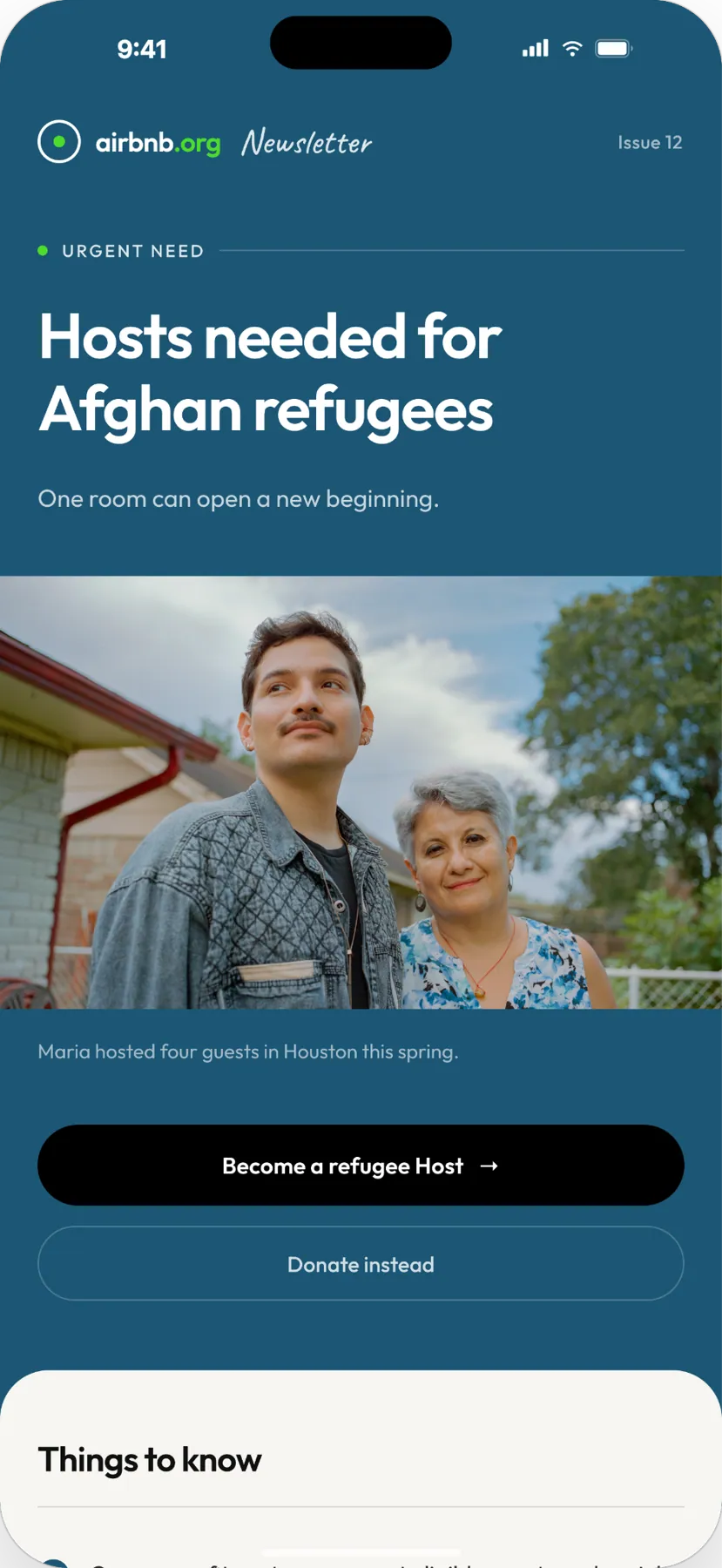
Newsletter
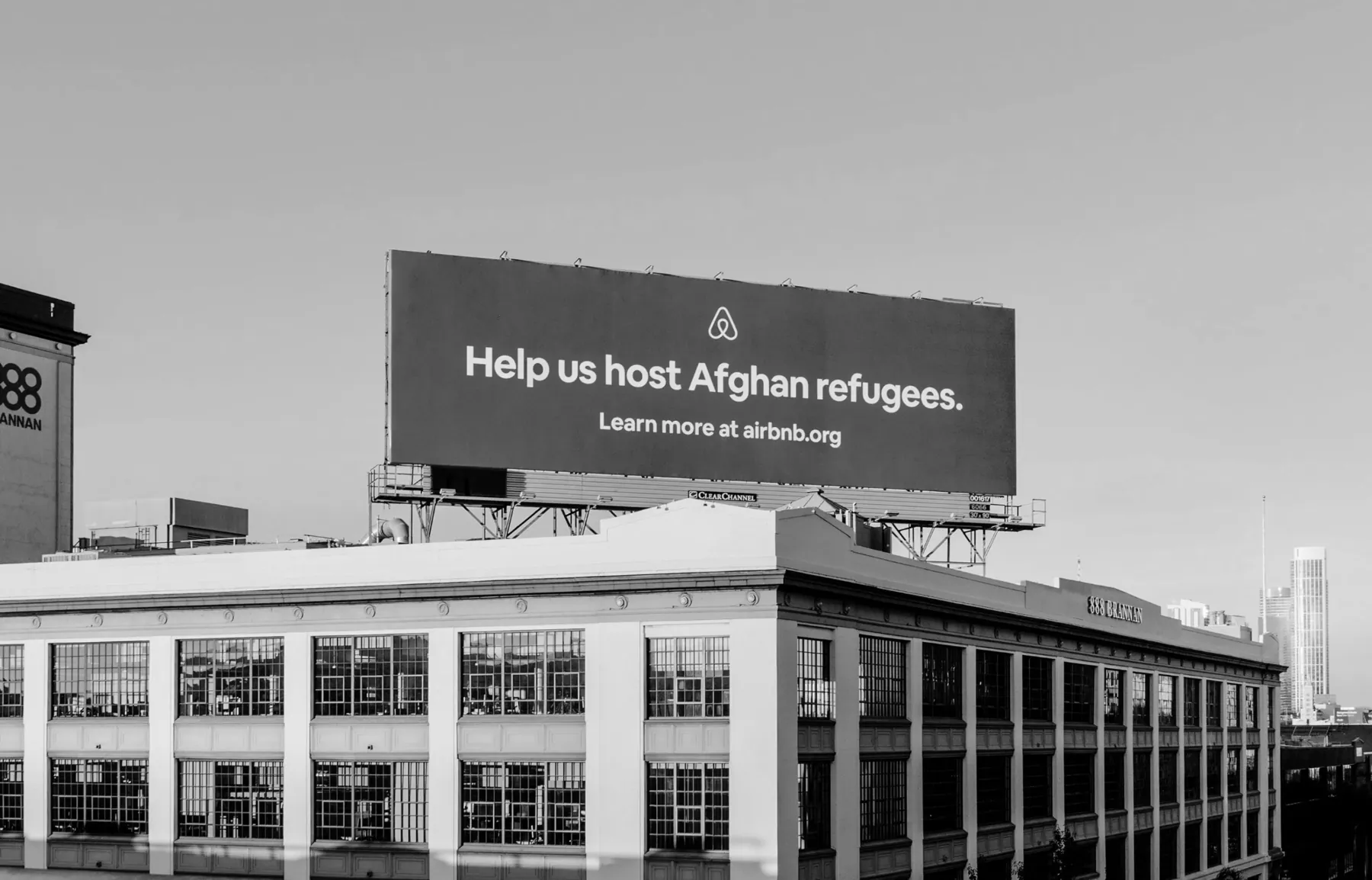
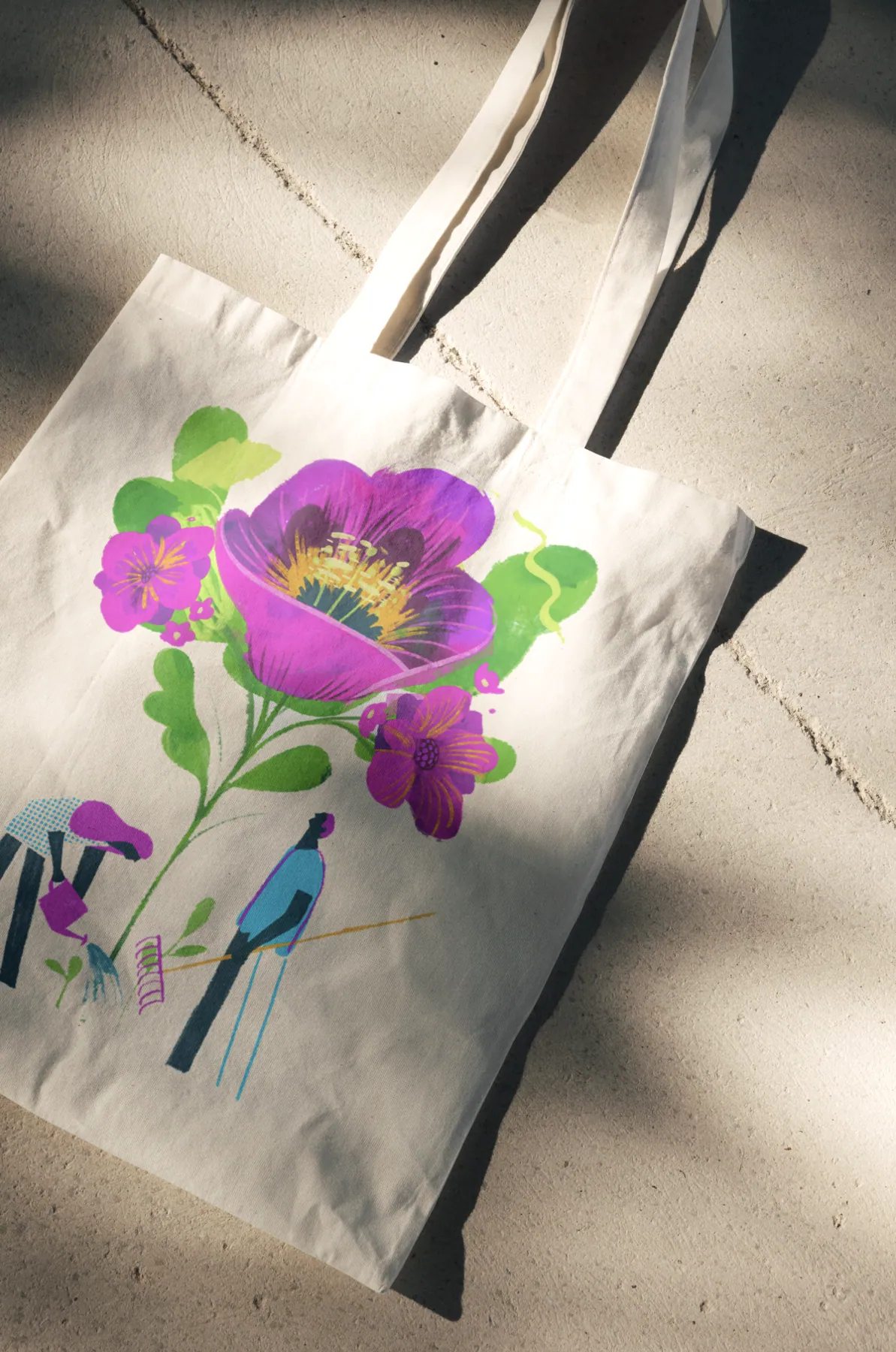
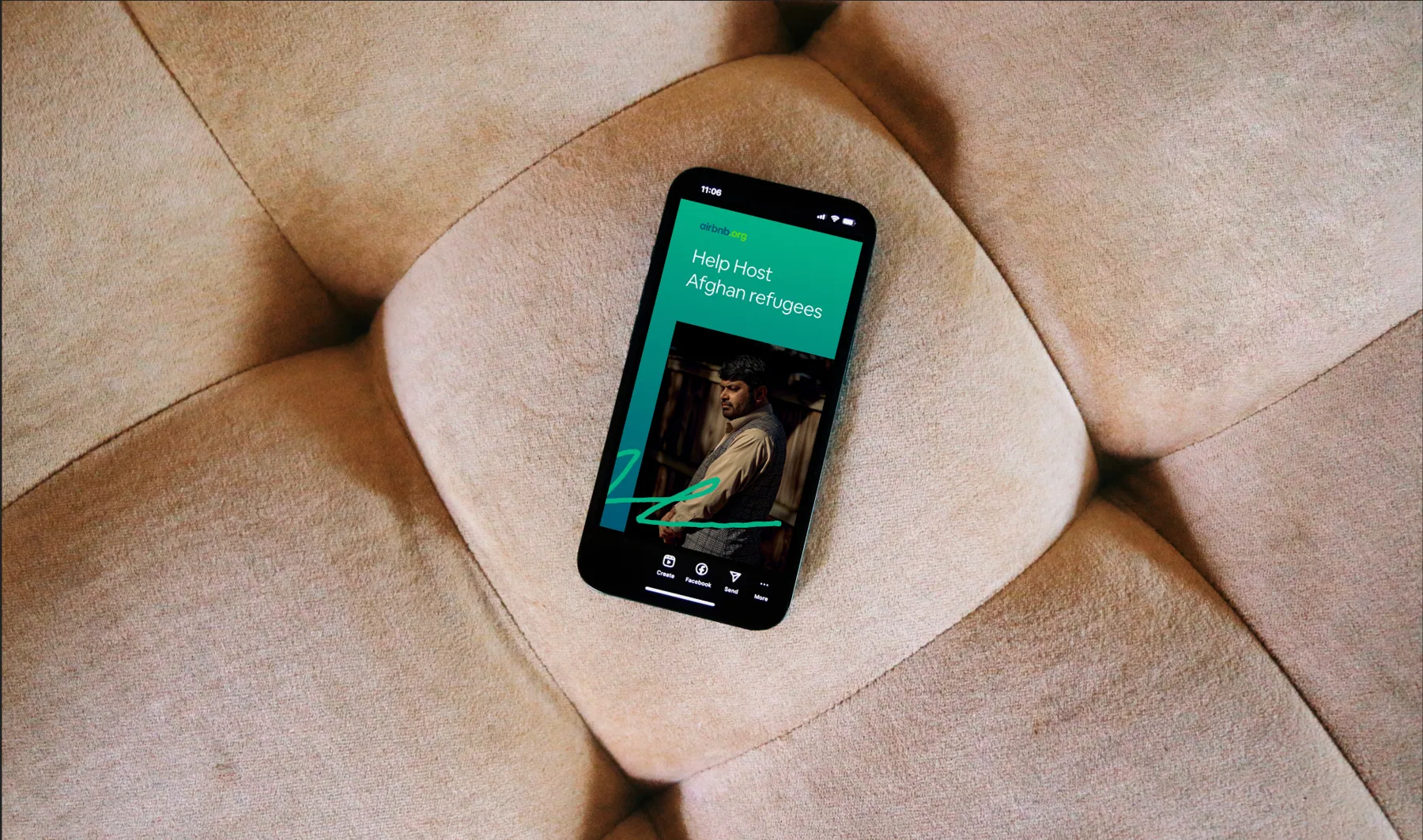
Out of home
Billboards, merch, and press.
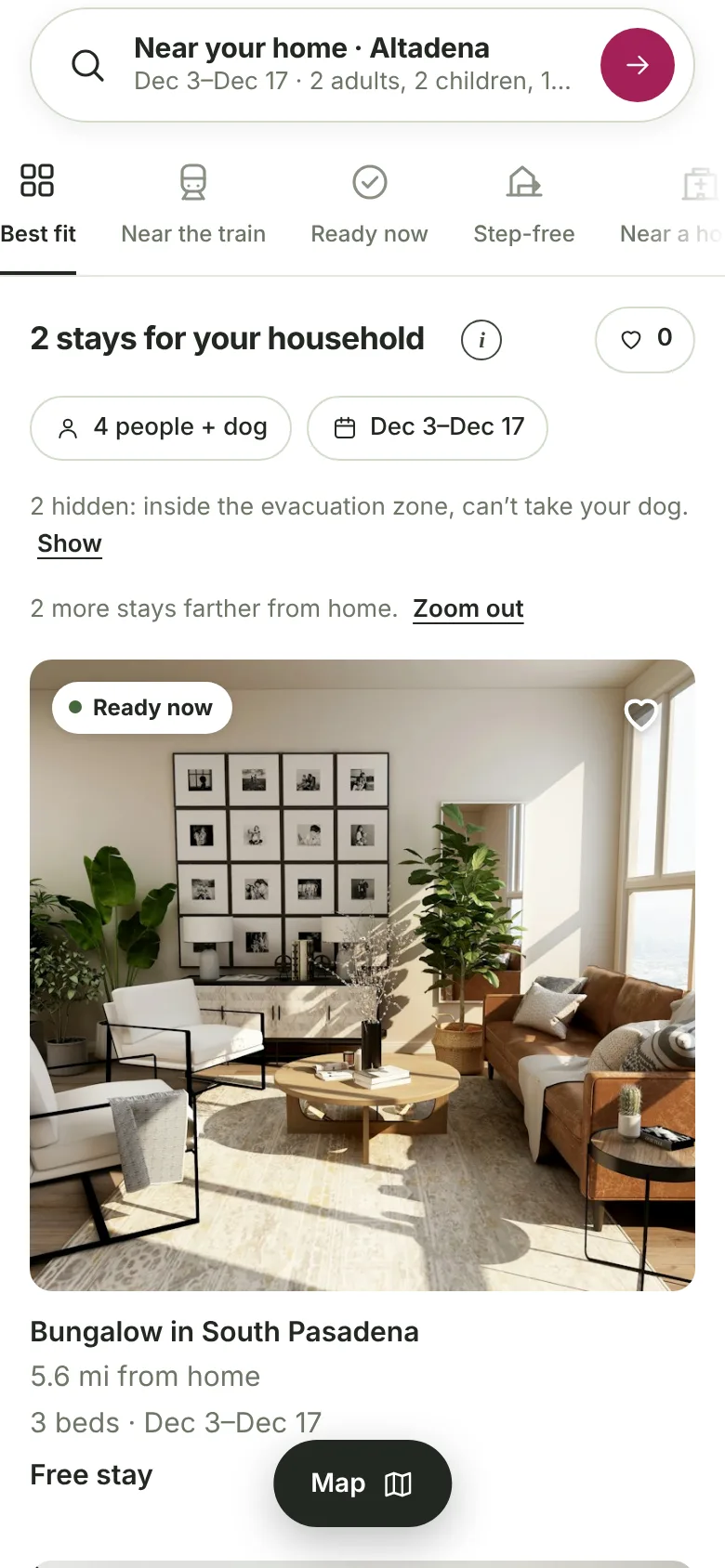
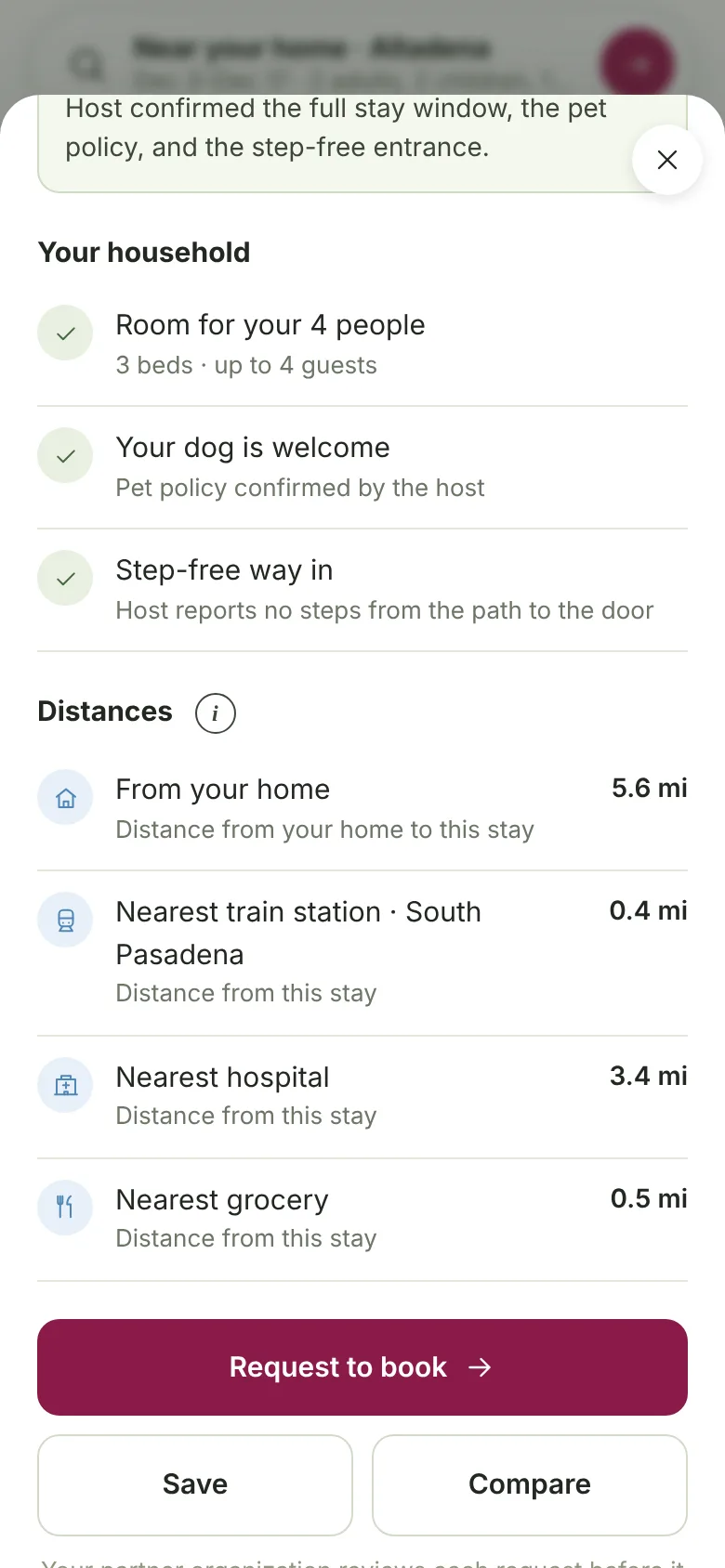
Guest flow
Search by need.
Categories built around what a displaced household needs first.
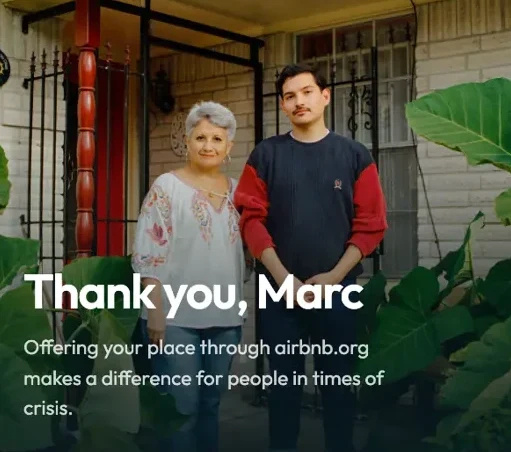
What happens next
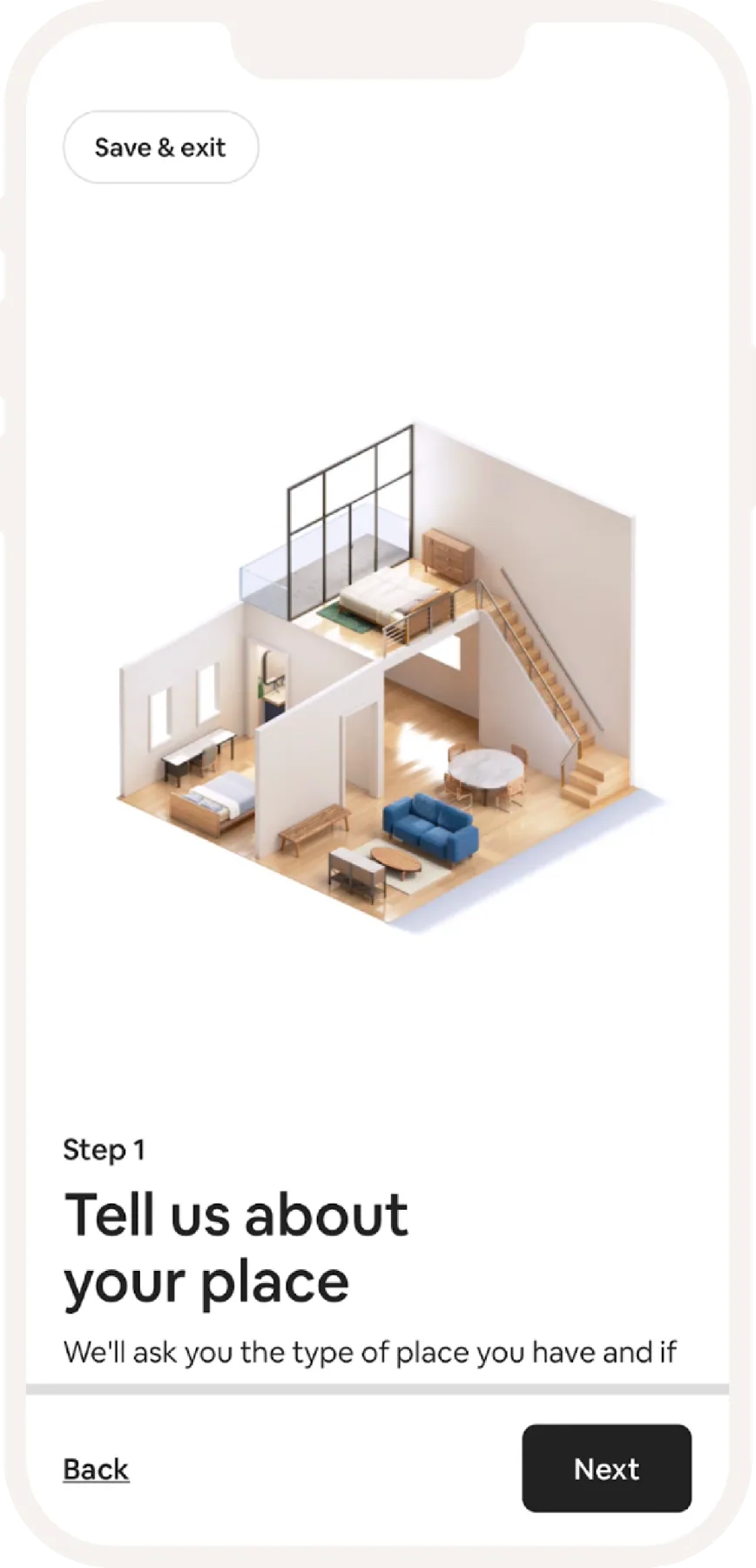
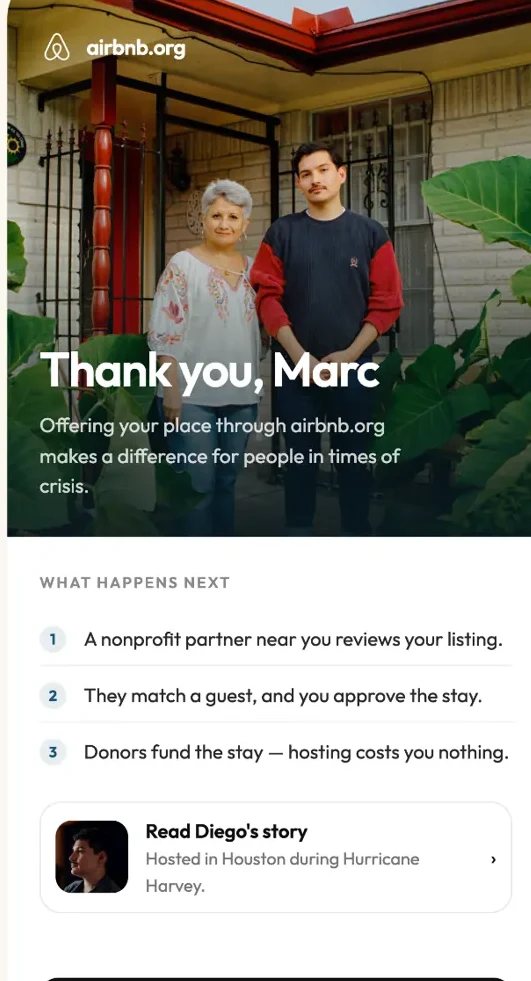
Host flow
Connecting hosts and guests.
Onboarding that makes hosting practical, ending with a thank-you and a view of who the stay will help.
Customer flow
A continuum of support.
Every stay moves through a partner, a guest, and a host, from the emergency to the review. We mapped who acts at each step, so trust is built where the handoffs happen.
Airbnb.org
Thank you
Timah Kabba
Thank you
Contact
Get in touch.